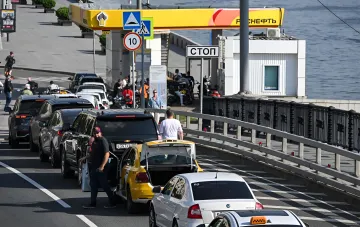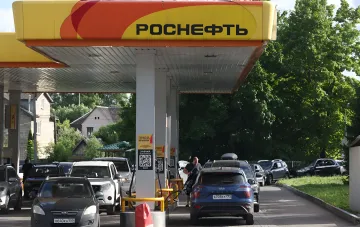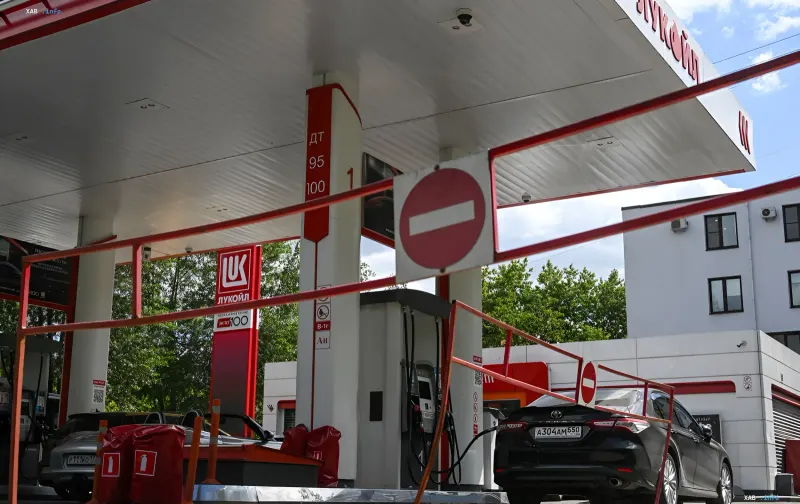
In August 2026, Russia faced another wave of a fuel crisis that spread across more than ten regions of the country. Authorities were forced to take emergency measures, strengthening control over the distribution and sale of gasoline at gas stations. The situation, which seemed to stabilize by the end of July, worsened again against the backdrop of renewed attacks on oil refining industry facilities.
Gasoline Shortage and Regional Restrictions
The situation was particularly acute in the Moscow region and several other areas, where gasoline completely disappeared from some gas stations. Meanwhile, diesel fuel remained available, creating an uneven shortage in the market. Authorities in at least 10 Russian regions introduced stricter controls on sales to prevent panic and speculation. In St. Petersburg, gasoline sales at the local commodity exchange fell by 20% compared to the second half of July, indicating the systemic nature of the problem.
Causes of the Crisis: Strikes on Refineries and Seasonal Demand
The main cause of the shortage was successful attacks by Ukrainian drones on Russian oil refineries. According to experts, up to 40% of refinery capacity has been taken out of commission in recent months, leading to fuel shortages in about a third of the country's territory. An additional factor was the seasonal increase in domestic fuel demand, especially during the summer period when travel and tourism activity increases.
Government Measures: From Export Bans to Imports
To stabilize the market, Russian authorities took a number of measures, including a ban on the export of gasoline and diesel fuel, lowering fuel quality requirements, and starting the import of oil products. Russia began redirecting gasoline from Belarus, which was previously intended for Central Asian countries. However, even record volumes of such supplies are not enough to fully cover the fuel shortage. Furthermore, reports emerged of the start of gasoline imports from Africa and the use of Indian refineries to bypass the shortage, indicating the seriousness of the situation.
Contradictory Data
There are disagreements regarding the scale and causes of the shortage. On the one hand, Russian authorities, including Deputy Prime Minister Novak, explain the situation solely by attacks on refineries and seasonal demand. On the other hand, independent analysts point to structural problems in logistics and fuel market management, as well as possible attempts to hide the real volume of losses. Some sources report a shift to the use of "grey" schemes for oil product processing, which may indicate the inadequacy of official measures.
Outlook and Risks
The situation remains unstable, and experts warn of the risks of further deterioration. If attacks on refineries continue, the shortage could spread to new regions, and fuel prices could rise. Authorities promise to strengthen control and increase import volumes, but the effectiveness of these measures remains questionable. It is important to note that the fuel crisis could have serious socio-economic consequences, including rising prices for goods and services, as well as reduced population mobility.