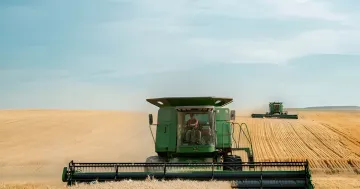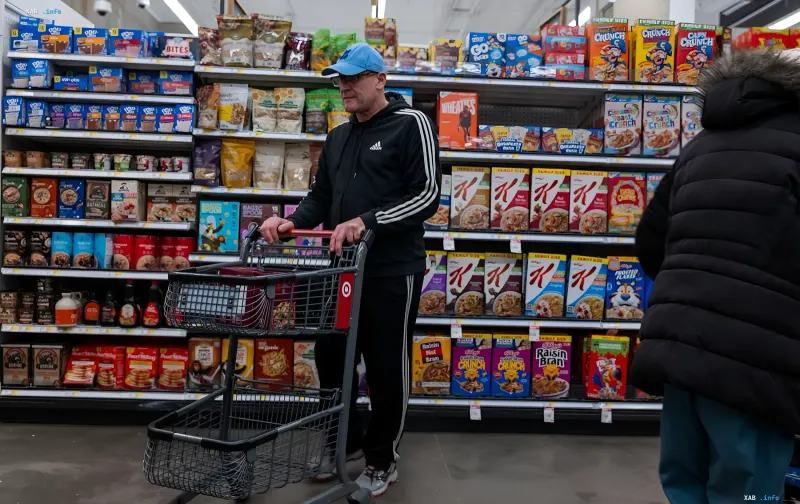
Global food prices in August 2026 rose to their highest level since late 2022. According to the United Nations Food and Agriculture Organization (FAO), the food price index for the previous month stood at 133.3 points, up from 130.8 in July. Analysts link the spike to the overlap of several factors: extreme heat in Europe, the expected El Niño in Asia, and the ongoing war in the Black Sea, which is hitting grain logistics.
A four-year record: what the FAO index shows
The August figure was the highest since November 2022, although it remains 17% below the record peak of March 2022, recorded immediately after the start of Russia's full-scale invasion of Ukraine. All key categories rose in price — cereals, vegetable oils, sugar, meat and dairy products. "The August rise in global food prices is a warning that the risk premium is returning to food markets: climate shocks, geopolitical tension and disrupted trade logistics are coinciding in time," said FAO Chief Economist Maxim Torero.
Climate and geopolitics: a double blow to markets
Extreme heat in Europe hit the corn and sugar beet harvests, while the expected strengthening of El Niño is fuelling concerns about palm oil and sugar production in Asia. At the same time, the escalation of Russian attacks in the Black Sea has reduced grain shipments from Ukraine, while tensions in US–Iran relations are weighing on fertilizer supplies. Thus, the same market is simultaneously affected by climatic, logistical and geopolitical factors, which multiplies price volatility.
Grain forecast: the biggest decline since 2018
The FAO also lowered its forecast for global cereal production in 2026 to 2.98 billion tonnes — 2% less than in the previous year. This is the largest annual decline since 2018, although in absolute terms the volume will still be the second largest in the entire history of observations. The combination of a lowered harvest forecast with rising prices forms a classic picture of supply contraction, which traditionally drives up prices on world exchanges.
Ukraine: strikes on production and shelf prices
For Ukraine, the situation is complicated by direct strikes on food production. This summer, Russian attacks hit the distribution facilities of food producers — in particular Danone, Lactalis and the Yagotyn baby food dairy plant; due to destroyed warehouses, businesses warned of supply disruptions. On 27–28 August, a number of enterprises were hit — from "Epitsentr" to "Khortytsia." The Ministry of Agrarian Policy and Food had earlier noted that prices on the domestic market are holding for now and there is no reason for shelf panic, but further developments depend directly on the resilience of export logistics and production capacity.
Contradictory data
Publications by different outlets show discrepancies in how the record period is phrased. Most sources and the FAO's own data indicate that the August figure is the highest since November 2022 (i.e. about four years ago), which matches the headlines of RBC-Ukraine and Finam. At the same time, a number of materials (for example, a review on oleoscope.com) characterize the price level as a "maximum in a year and a half." The difference is probably due to the fact that some outlets count the period from a different intermediate peak or use a different comparison methodology. Relying on the FAO's primary data, the XAB.info editorial team goes by the phrasing "since late 2022."