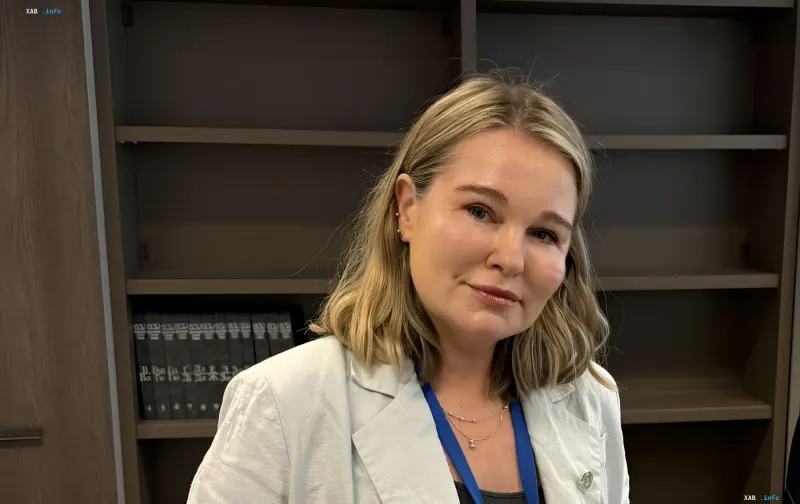
Alena Hetmanchuk, Head of the Mission of Ukraine to NATO, revealed in an interview with RBC-Ukraine the key details of the current work of the Ramstein format and the PURL (Presidential Urgent Recovery and Lethality) program in the context of financing defense packages for Kyiv. According to her, through the end of 2026 both mechanisms will be concentrated on a single priority — securing funds for those weapons packages that have already been approved at the level of the United States. "Right now we are working to finance the packages that the US has already proposed. There are specific lists of weapons that correspond to our priority needs," Hetmanchuk clarified, emphasizing that the American side is already ready to make deliveries.
Financing status and the role of the upcoming Ramstein meeting
Hetmanchuk noted that at the upcoming meeting of the Ramstein coordination mechanism, a number of partner countries are expected to publicly signal their readiness to provide additional funds to finance the specified packages. As of today, according to the Head of the Mission, three countries — Australia, New Zealand, and Japan — have already made contributions within the framework of this initiative. At the same time, Hetmanchuk did not disclose specific amounts but noted that the process of attracting new donors remains active and continues at the level of bilateral and multilateral contacts.
The PURL program and the shortage of PAC-3 / PAC-2 interceptors
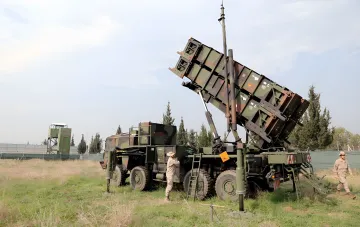
Separately, Hetmanchuk commented on the work of the PURL program, which provides Ukraine with a basic monthly level of deliveries of PAC-3 and PAC-2 interceptors for the Patriot air defense systems. She stated directly that the current volume guaranteed by PURL is insufficient for full coverage of Ukrainian airspace. To make up the gap, Kyiv uses a special mechanism for engaging European NATO member states, thanks to which Ukraine receives additional interceptor missiles for the Patriot systems beyond the basic PURL package.
Ukraine as a contributor to NATO security
Hetmanchuk also touched on the issue of Ukraine's recognition at the NATO declaration level as a security contributor. In her assessment, this indicates that the Alliance has officially assessed the potential of Ukraine's military capabilities to strengthen the organization. This status, according to the Head of the Mission, opens additional channels of interaction and mutual exchange of resources between Kyiv and Brussels within the framework of the Alliance's defense architecture.
Contradictory data
No significant contradictions in figures or dates were identified in the provided sources. The only point worth noting is that Hetmanchuk did not specify the exact timing of the upcoming Ramstein meeting and did not disclose the specific volumes of contributions already made by Australia, New Zealand, and Japan. Thus, both of these details remain unconfirmed publicly and may be clarified following the meeting itself.
Overall, Hetmanchuk's statements mark the transition of the Ramstein format and the PURL program from the stage of forming lists to the stage of direct financing and delivery logistics. The key challenge for the remainder of 2026 remains attracting a sufficient volume of funds from partner countries to close the gap between the US-approved packages and the actual ability to pay for them.