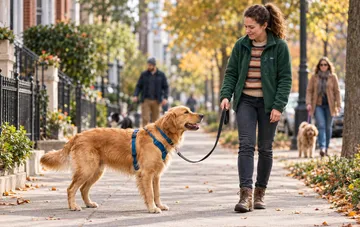
During air raids and shelling, owners often try at all costs to grab a frightened cat or dog, shout at them, and forcibly pull them out of shelters. According to actor and animal volunteer Oleksiy Surovtsev, who shared this in an exclusive interview with Wave RBC.UA, such actions only increase the animal's stress. "First of all, the rule is not to panic yourself. Animals read our emotional state, behavior, and intonation very well," he explained. According to him, shouting, running around the apartment, and attempts to forcibly hold the pet add extra anxiety rather than calm them down.
Why the owner's calmness is more important than reaction speed
The key principle emphasized by Surovtsev is that a person's own safety remains a priority. The animal volunteer directly warns against risking one's life trying to pull an animal out of a hard-to-reach place and wasting precious minutes searching for a cat all over the apartment during explosions. "And you certainly shouldn't risk your own life trying to get an animal out of a hard-to-reach place. The best help is advance preparation," he noted. In other words, effective care for a pet begins long before the siren sounds: whenever possible, they should be accustomed to a carrier and a shelter location in advance so that the process is familiar and predictable at a critical moment.
Cats need the right to control distance
Surovtsev calls interacting with cats especially delicate. The opportunity to hide and independently control the distance helps cats overcome stress, so forcibly pulling them out of a hiding spot or hugging them tightly if the animal resists should be avoided — the pet may perceive such actions as an additional threat. If a cat crawled under the sofa and is safe there, Surovtsev advises simply leaving it in that shelter: attempts to pick up the pet at all costs can frighten it even more.
When a dog can and should be petted
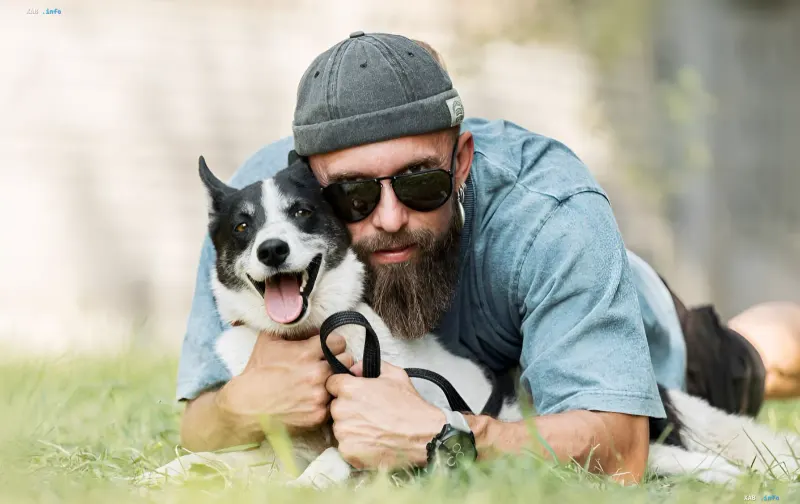
A different situation arises when a dog approaches a person on its own and seeks contact. In this case, according to Surovtsev, it can be calmly petted — there is no need to ignore a pet seeking affection. "You don't need to ignore the animal out of fear of supposedly reinforcing its fear with affection. Fear is an emotion, not bad behavior," the animal volunteer emphasized. This is an important guideline: a pet's panic should not be perceived as disobedience, and therefore there is no need to shout at a frightened animal, beat it, or pull it.
Summary of main mistakes
Summing up, Surovtsev highlights typical mistakes owners make during shelling: panicking themselves and transmitting anxiety, shouting at the pet and punishing it for fear, forcibly grabbing and holding a struggling animal, and risking one's own life to save a cat or dog from a hard-to-reach place. The alternative to all these actions is calmness, respect for the animal's need for distance, and advance preparation for moving to a shelter, which turns a critical situation into a manageable one for both sides.