Amid the risk of prolonged power outages, Ukrainian families are advised to take care of home heating, essential supplies, and backup power sources in advance. The Ministry of Communities and Territories Development of Ukraine, the Ministry of Internal Affairs, and the State Emergency Service have provided detailed guidelines on preparing homes for a possible blackout, which we have systematized below.
Heat and Insulation: Where to Start Preparation
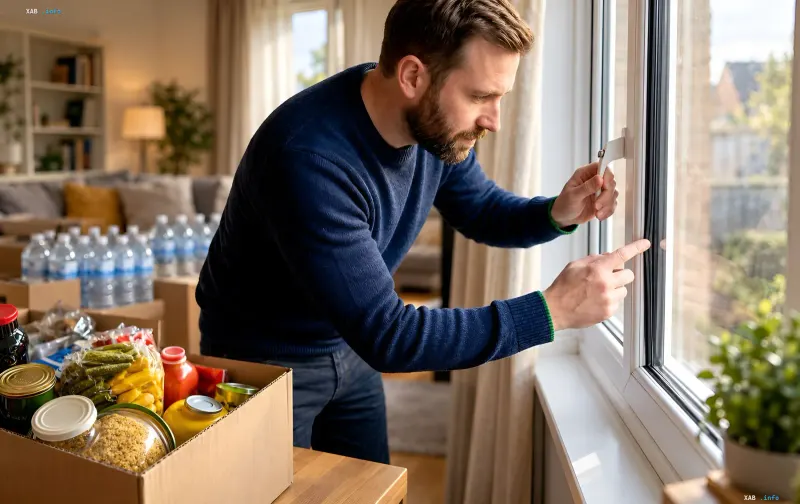
Authorities recommend starting preparations for potential power outages by inspecting windows, doors, and heating appliances. Even small gaps can lead to noticeable heat loss, especially if heating depends on the power grid. The Ministry advises insulating windows and doors and making sure that radiators are not blocked by furniture or heavy curtains. For additional warmth, you can use functioning hot water bottles, electric, chemical, or catalytic warmers, following the manufacturer's instructions and checking whether the specific device is approved for indoor use.
If the apartment cools down quickly, it is better to focus on keeping one room warm rather than trying to heat the entire living space. The Ministry of Internal Affairs also advises dressing in layers and using warm socks and blankets. It is strictly forbidden to heat a home with a gas stove or use homemade heaters. For added home safety, having a fire extinguisher and a carbon monoxide detector is recommended.
Water and Food: How Much to Store
Extended power outages may be accompanied by water supply interruptions, making it important to prepare a supply of drinking and utility water in advance. According to ministry guidelines, each person needs at least 3 liters of drinking water per day; utility water for hygiene and household needs should be stored separately. For example, a family of three will need at least 27 liters of drinking water for three days, and if the water is also planned to be used for cooking, the supply should be increased.
It is also worth purchasing foods that do not require refrigeration or complex preparation, and filling a thermos with boiling water in advance—hot water will come in handy for drinks or instant meals. When building supplies, consider the needs of children, people on special diets, and pets.
Communication and Backup Power
During a prolonged power outage, mobile communications and the internet may experience disruptions, meaning a charged smartphone is not always enough. Before potential outages, it is recommended to charge power banks and portable power stations, prepare flashlights, battery-powered lamps, and an autonomous radio receiver. Home internet should be checked separately: clarify with the provider whether the network will operate without electricity and what equipment will require backup power. If the provider keeps the network running during outages, home Wi-Fi may require uninterruptible power for the router and optical terminal. If the mobile operator's network drops, you can try using national roaming, which allows connecting to another Ukrainian operator's network where technically feasible.
First Aid Kit, Cash, and Action Plan
It is advisable to keep a separate set of items at home for extended power outages: a first aid kit and essential medications you take regularly. A supply of daily required medications is especially important; if medicines need to be refrigerated, their storage method during outages should be agreed upon in advance with a pharmacist or doctor. Cash may be needed if bank terminals or ATMs are temporarily out of service. The Ministry also advises agreeing with family members on a meeting place and a plan of action in case mobile communications fail.
Safety When Using Generators
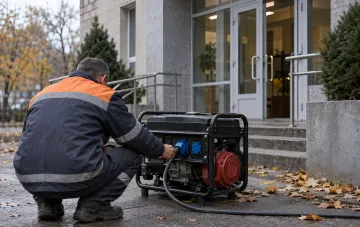
When using alternative power sources, it is important to remember fire safety and the danger of carbon monoxide. According to State Emergency Service guidelines, gasoline and diesel generators are prohibited in apartments, basements, garages, and on balconies. Generators must be installed exclusively outdoors, at least 6 meters away from doors and windows, and refueled only after the engine has been turned off and cooled down. You must not connect a generator directly to a standard electrical outlet: such a connection creates a risk of electric shock and fire. Portable gas stoves also require caution—only certified equipment may be used.