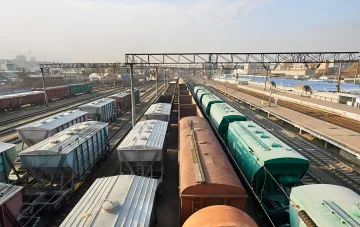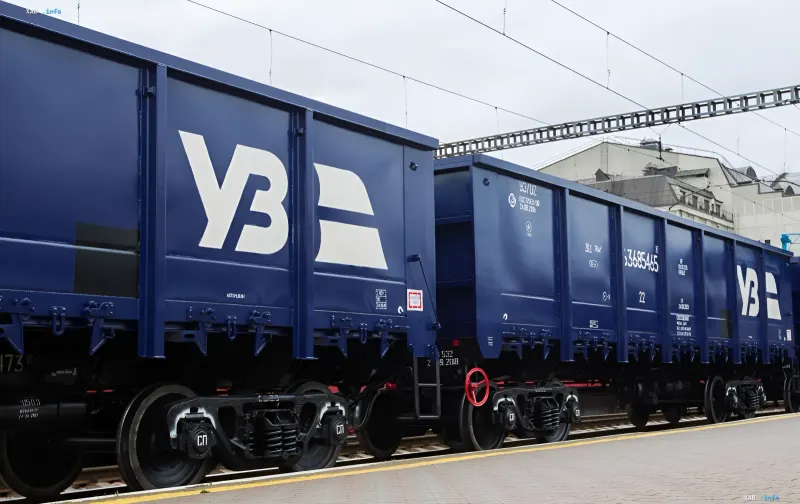
Ukrainian industrial companies and industry associations have opposed Ukrzaliznytsia's planned 15% freight tariff increase scheduled for January 1, 2027. Business representatives urged the introduction of a moratorium on any new tariff hikes until martial law ends. This was discussed during a Center for Transport Strategies (CTS) panel focusing on Ukrzaliznytsia's freight base and financial model, reports RBC-Ukraine citing Interfax-Ukraine.
Shrinking Freight Base: CTS Figures
According to the Center for Transport Strategies, the country's freight traffic could decline from 161 million tons in 2025 to 127 million tons in 2026. The 2027 forecast stands at 149 million tons. Discussion participants emphasized that another tariff hike could further squeeze the freight base, as a significant portion of enterprises are already operating on the verge of profitability or effectively halting production.
Industry Voices: Logistics Devours Cost Price
Ksenia Orinchak, Executive Director of the National Association of Granite Producers of Ukraine (NAGPU), reported that logistics already account for 40–60% of production costs for some enterprises, and out of about 100 quarries in the construction sector, only 35 are currently operating. The situation is also called critical in the ferroalloy industry: Dmytro Mishchenko, a representative of the Zaporizhzhia Ferroalloy Plant, stated that the plant is practically on the verge of shutdown, while its main consumers—ArcelorMittal Kryvyi Rih, Zaporizhstal, and Dniprostal—are idle. Metinvest reported that its Northern and Central GOKs are currently operating at about 50% capacity.
Additional Pressure: Falling Prices and Port Blockade
Against the backdrop of rising logistics costs, falling iron ore prices by about 30% create additional pressure on metallurgists and mining companies. Furthermore, due to the blockade of sea ports, Metinvest's GOKs lose about 1.5 million tons of sea-borne exports monthly—volumes that Ukrzaliznytsia previously also transported to ports. Discussion participants noted that the problem of financing the railway cannot be solved solely by further increasing tariffs for industry.
Business Demands and Alternatives
Among the alternatives proposed during the discussion are attracting international funding, creating partnership programs with the World Bank, EBRD, and other international institutions, and compensating part of the wartime losses from external sources. Business representatives urged the state to return freight tariffs to the level of early 2026 and introduce a moratorium on their increase until the end of martial law. According to their assessment, without the restoration of industrial production and the freight base, new tariff hikes will only exacerbate the problem: enterprises will cut output, transport volumes will continue to fall, and financial pressure on the railway will increase.
Context: Consequences of Already Implemented Hike
Recall that Ukrzaliznytsia previously raised freight tariffs by 30%. Meanwhile, Ukrpromvneshexpertiza warned that such an increase would reduce Ukrzaliznytsia's freight base by 27 million tons, lead to a loss of UAH 96 billion in GDP annually, as well as a loss of $2.4 billion in export revenue and UAH 36 billion in budget revenues. According to discussion participants, it is these estimates that make a further 15% increase from early 2027 particularly risky.