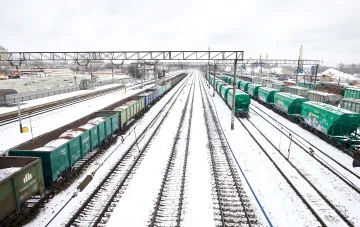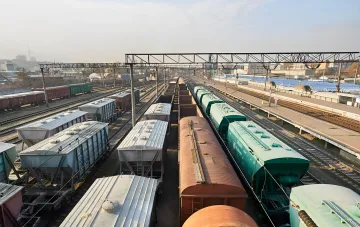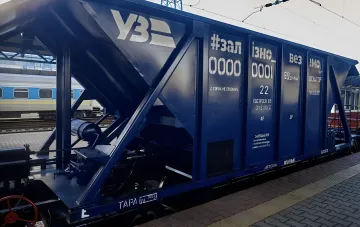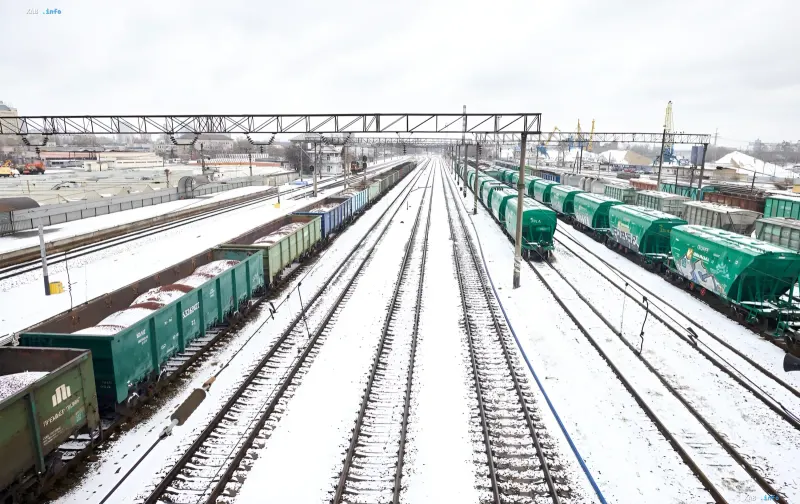
Ukrzaliznytsia intends to increase freight transportation tariffs by another 15% starting January 1, 2027. According to RBC-Ukraine citing an article by Forbes Ukraine, this will be the second increase in transportation costs over the past six months, following a 30% hike on August 1, 2026. Meanwhile, the authors note that instead of the expected profit, the company risks incurring even greater losses as freight turnover continues to decline.
Second Increase in Six Months and the Monopoly's Explanation
UZ explains the need for a new indexation by its critical financial situation. According to the company's forecast, without a tariff increase in 2027, the net loss will reach UAH 32 billion, and the cash gap will exceed UAH 44 billion. The monopolist cites these exact figures as the grounds for another rise in freight transportation costs, despite the previous hike failing to produce the planned effect.
Why August Indexation Failed
The 30% tariff increase in August brought Ukrzaliznytsia only UAH 2.3 billion instead of the planned UAH 3.4 billion. The reason is a sharp reduction in freight turnover: it dropped by 37.4% in August–September. Exports through port stations in the Odesa region fell by 96% in August, and total freight turnover in August was 22% lower than June levels. Thus, the tariff increase collided with a decline in the volume of goods being transported.
Volume Forecast: From 161 to 127 Million Tons
According to the Center for Transport Strategies, UZ freight traffic volumes could fall to 127 million tons in 2026, compared to 161 million tons the previous year. Only a partial recovery to 149 million tons is projected for 2027. These figures indicate that even with new tariffs, the company will not be able to restore the previous scale of its cargo base in the short term.
Hardest Hit: Mining, Agriculture, and Metallurgy
The new tariffs could hit industries hardest where logistics make up a significant share of the cost price. In the mining industry, this share reaches 40–60%, and industry representatives warn that further transportation price hikes could lead not just to rising expenses, but to the shutdown of individual quarries. The agricultural sector, according to businesses, is already operating in survival mode due to multiple increases in logistics costs. The situation looks particularly critical for the mining and metals complex, which traditionally accounts for about 35–40% of UZ's freight turnover and cargo segment revenues.
Business Stance: The Risk of a Counterproductive Effect
As Forbes Ukraine notes, the business position is that raising rail logistics costs amid effectively blocked ports is dangerous: more expensive transportation reduces the competitiveness of Ukrainian products, cuts production, and ultimately undermines the railroad's own cargo base. Thus, UZ is trying to cover its own financial deficit through another tariff hike, but businesses warn of the risk of a counterproductive effect — even more expensive logistics could curtail production, exports, and transport volumes, and with them the company's own revenues.