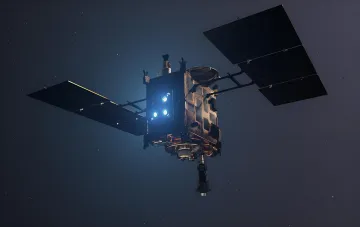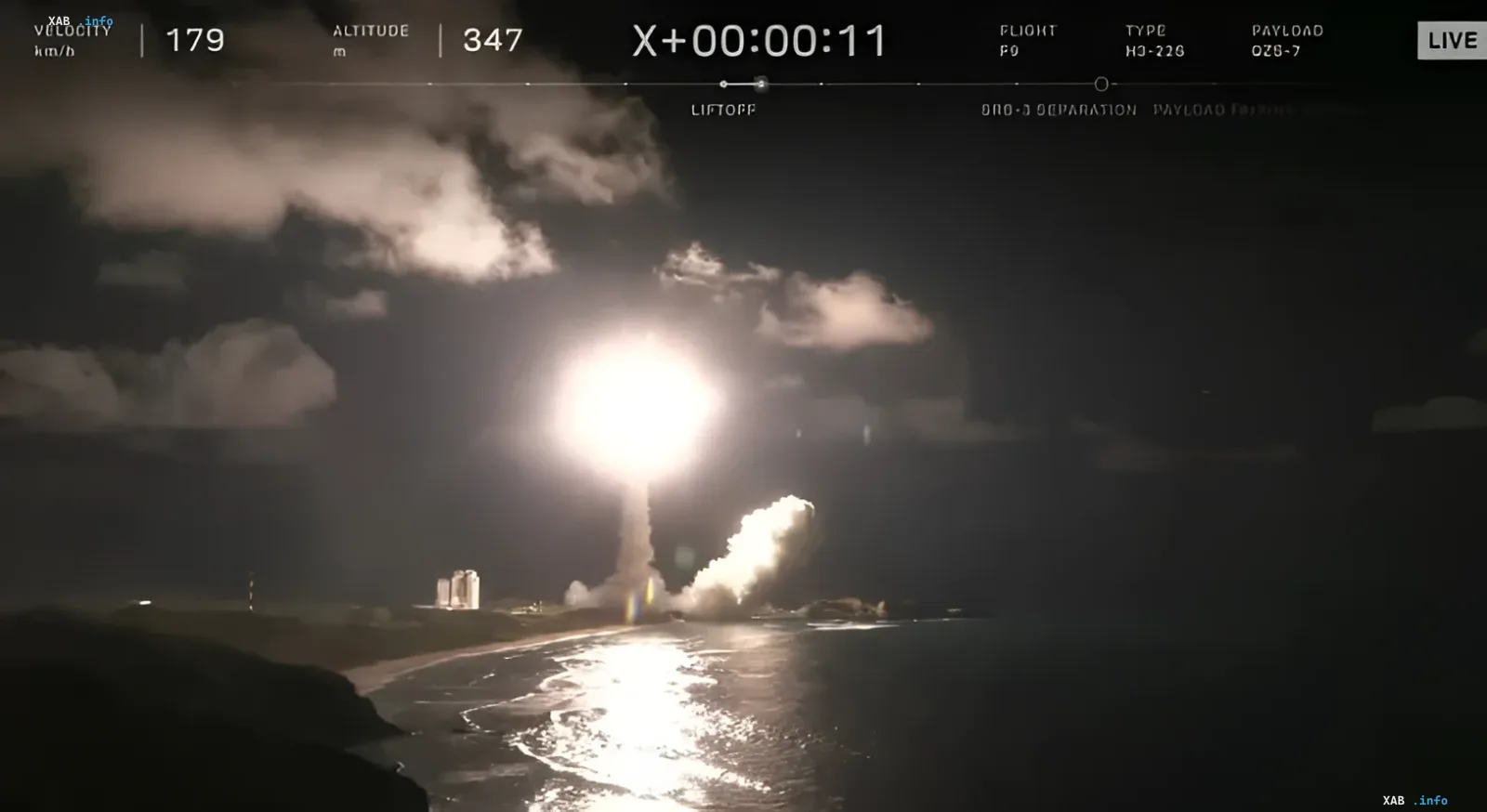
On the night of August 11, 2026, Japan took a significant step towards creating a fully autonomous navigation system. From the Tanegashima Space Center, located in the southwest of the country, the H3 heavy-lift launch vehicle successfully lifted off. Aboard was the sixth satellite of the national space positioning system, 'Michibiki 7' (Michibiki — 'Pointing the Way'). The launch, closely monitored by specialists from the Japan Aerospace Exploration Agency (JAXA), marked a restoration of confidence in domestic rocket technology following a failed launch last year.
Return to Success: The History of H3 Launches
This launch was the third in the series of H3 rocket flights, which are intended to replace the aging H-IIA launchers. The previous attempt to place the 'Michibiki 5' satellite into orbit in December 2025 ended in failure, causing serious concern within Japan's space community. However, the current flight, which could be watched live, demonstrated the full functionality of the system. The bright column of flame illuminating the night sky over the Pacific Ocean confirmed that technical issues had been resolved, and the country is returning to its schedule for saturating the orbit with its own navigation assets.
Technological Superiority: Accuracy up to 6 Centimeters
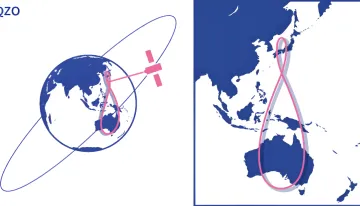
The main goal of deploying the QZSS (Quasi-Zenith Satellite System) is not simply to duplicate the American GPS, but to create a more precise tool for Japan's needs. According to technical specifications, Japanese satellites are capable of determining the coordinates of objects on the Earth's surface with an error of about 6 centimeters. For comparison, the standard accuracy of the global GPS system is about 10 meters. This is a critical advantage for sectors such as autonomous transport, precision agriculture, and construction in densely built-up urban areas, where tall buildings often block signals from satellites low on the horizon.
Independence Strategy: From 7 to 11 Satellites
To ensure the stable operation of QZSS as a full-fledged national positioning system, at least seven satellites are required in orbit. With the launch of 'Michibiki 7', Japan is approaching this strategic milestone. The fifth satellite in the series, 'Michibiki 6', was successfully sent into orbit in February of this year. According to JAXA's long-term plan, by the mid-2030s, the number of 'Michibiki' spacecraft will reach 11. This will allow the country to significantly reduce its dependence on American GPS infrastructure and ensure sovereignty in the field of navigation and cartography.
Synergy with Global Systems
It is important to note that the Japanese QZSS system is not isolated. It is fully compatible with the American GPS and other global navigation systems. 'Michibiki' spacecraft operate in augmentation mode, increasing the overall accuracy and reliability of positioning for users in the Pacific region. This makes Japanese technology attractive to countries in the Asia-Pacific region, which are also interested in improving navigation accuracy for their economic and logistical needs.