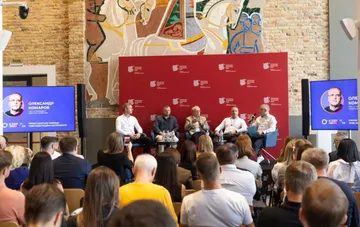
Kernel, together with the We build Ukraine project and "Content. Center for Policy Analysis," has announced the launch of Ukraine's first Public-Private Partnership (PPP) School, focused on local communities. The initiative is designed to teach local government bodies how to prepare economically sound projects for the reconstruction and development of regions that can attract both private and international capital. As reported by RBC-Ukraine, citing the company's press release, the program is practical in nature and runs for three months.
The Main Problem Is Not a Lack of Ideas, but Documentation
The key argument in favor of creating the PPP School was the results of an internal Kernel survey covering 230 communities across Ukraine. According to the data, the main obstacle to attracting investment in local projects is not a shortage of initiatives, but a lack of well-calculated financial and legal documentation. Notably, only 4% of local councils, according to the organizers' assessment, truly understand the tools of public-private partnership. This means that the overwhelming majority of communities lack the practical skills needed to turn a local idea into an investment-attractive package of documents.
First Cohort: 21 Communities and Three Months of Practice
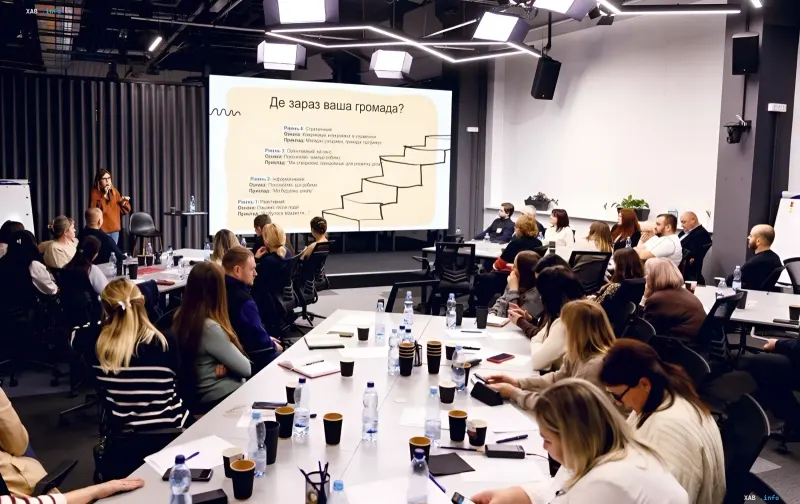
The first cohort of the practical three-month program includes 21 communities. Teams of local officials and specialists work together with mentors to develop investment proposals in areas such as energy independence, water and heat supply, housing stock, and other directions critical to infrastructure reconstruction. The training format involves not theoretical lectures, but direct work on real projects with step-by-step expert support.
Expertise: From Idea to a Ready Package of Documents
"Communities lack applied expertise: how to calculate payback, balance risks, and present a project to an investor. Our task is to help them go through this path from idea to a ready package of documents," emphasized Liliya Marchkanets, director of the "Together with Kernel" Foundation. Her words reflect the School's core methodology: a focus on specific financial models, risk assessment, and preparing a presentation that can be shown to both private investors and international donors.
From an Online Course to Pitching Before International Partners
It is worth noting that the PPP School is not the first step in this direction. Earlier, representatives of 400 communities completed the project's basic online course, which formed a broad pool of interested participants. The finale of the current practical program will be a pitching session: teams will present their investment proposals to international partners, relevant ministries, and private investors. Winning projects will receive expert support right up to the moment of securing financing, which significantly increases their chances of implementation.
Plans for Scaling and Systemic Financing
The organizers of the PPP School state their intention to scale the program and expand cooperation with state institutions and international donors. The goal is to build a mechanism for the systemic financing of municipal initiatives, in which public-private partnership becomes not a one-off tool, but a sustainable model for territorial development. Against the backdrop of ongoing reconstruction processes in Ukrainian regions, such an initiative could become a significant factor in attracting long-term investment in local infrastructure.