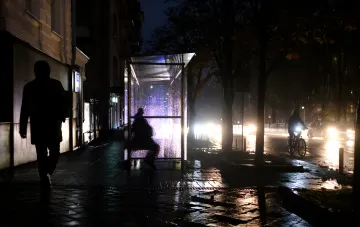
October 2026 brought new challenges to Ukraine's energy sector. The capital has faced power outages, transport issues, and temporary water supply disruptions. However, the enemy is targeting not only Kyiv but also the energy hubs of the Odesa and Dnipropetrovsk regions, creating serious risks for the stability of the entire energy system.
Vulnerability of Kyiv Energy Hub and Consequences of Losing Internal Generation
Oleksandr Kharchenko, Director of the Energy Research Center, noted in an interview that the current situation differs significantly from previous years. Previous winters were managed largely due to Kyiv's own generation capacity of about 1.3 GW, which fully covered the city's needs. However, in January, these facilities were physically destroyed by ballistic missile strikes. Now the capital depends on external supplies, receiving 12% to 15% of total national consumption.
Strike Tactics and Critical Infrastructure Protection
Over the past six weeks, intensive strikes have been recorded on the northern and western parts of the Kyiv energy ring. Key substations were damaged, leading to disruptions in the metro and water utility facilities. Nevertheless, city authorities managed to prepare backup power for critical infrastructure, avoiding a catastrophic scenario and keeping the situation under control.
Pessimistic Scenario and Winter Readiness
The expert emphasizes that Ukrainians have grown accustomed to a high level of power supply comfort even amidst war. In the event of new massive shelling and winter freezes, periods with electricity available for only 6-8 hours a day are possible. However, emergency services quickly repair damage, and the resilience plan continues to prove its effectiveness.