The Russian Federation intends to disable Ukraine's critical energy infrastructure within the next month to provoke a large-scale humanitarian crisis in major cities. According to secret documents intercepted by Ukrainian intelligence and published by the authoritative New York Times, Kyiv, Kharkiv and Odesa have become the main targets for the enemy. Moscow's plans became known on the eve of the winter period, when the load on the power system traditionally reaches peak values, and any damage to generation and distribution networks poses a direct threat to the lives of millions of civilians.
Scale of Planned Strikes and Key Targets
According to Ukrainian intelligence agencies, Moscow has developed a strategy to limit basic municipal services in key regional centers to a critical minimum. It is planned to reduce electricity and heating supplies in Kyiv, Kharkiv and Odesa by ninety percent, as well as severely disrupt the operation of urban sewage systems. To implement this destructive plan, the Russian military expects to deploy up to a thousand destruction assets, including cruise and ballistic missiles, attack drones and guided aerial bombs.
The targets of the massive attacks will not only be traditional thermal and hydroelectric power plants, but also distribution substations located near operating nuclear power plants, as well as critical hydraulic structures and water supply facilities. Ukrainian officials have already passed detailed information about the impending strikes to their European and international partners, causing them shock at the cynicism and meticulously calculated terrorist nature of the operation being developed.
Energy System Protection Measures and Ukraine's Readiness
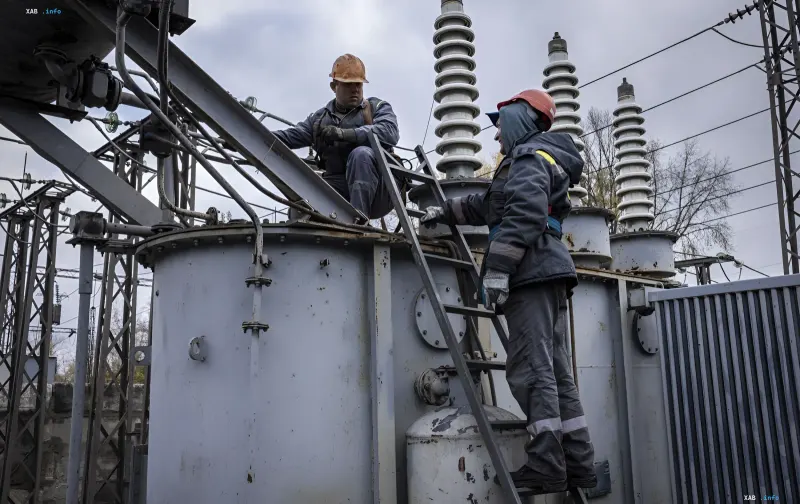
Commenting on the obtained intelligence data, Ukrainian Energy Minister Denys Shmyhal emphasized the unprecedented and cold-blooded calculation of the aggressor, aimed at the complete destruction of the Ukrainian energy sector. Despite colossal risks, Ukrainian power engineers and specialized agencies have been carrying out large-scale preparations for a potential winter crisis for several months. Capital protective engineering structures were erected around critical facilities, repair work on damaged equipment was carried out, and the decentralization of generation through the installation of mobile gas turbines was actively implemented.
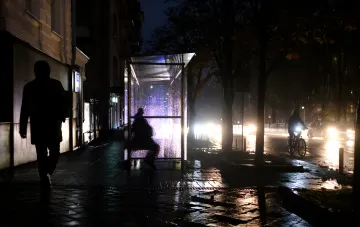
Nevertheless, specialized experts warn that due to months of continuous shelling, the national energy system retains an extreme degree of vulnerability. Ensuring the complete integrity and uninterrupted operation of the infrastructure under conditions of massive combined strikes will be extremely difficult. Russia has already resumed targeted attacks on energy facilities, which is why local power outages are being recorded in Kyiv and a number of other regions of the country.
Socio-Economic Consequences and Budget Preparation
Possible prolonged blackouts and large-scale power outages will inevitably lead to a sharp increase in the financial expenditures of Ukrainian households. According to preliminary estimates by analysts, families will have to additionally spend thousands of гривень (hryvnias) monthly on the purchase of alternative power sources, the organization of autonomous heating, food preparation in field conditions, and ensuring stable communications. Financial preparation for potential crisis scenarios is becoming one of the main issues for the population ahead of the approaching cold weather.