Amidst the ongoing war and the threat of large-scale attacks on energy infrastructure, the Kyiv City State Administration (KCSA) has announced a comprehensive plan to prepare for the winter of 2026. The city's strategy is built on two key pillars: a radical expansion of reserve capacities for heat and electricity generation, and the creation of an extensive network of warming points for the population. According to XAB.info, citing data from RBC-Ukraine and LB.ua, city authorities intend to create up to 1000 MW of additional thermal generation.
Energy Shield: 1000 MW and Cogeneration
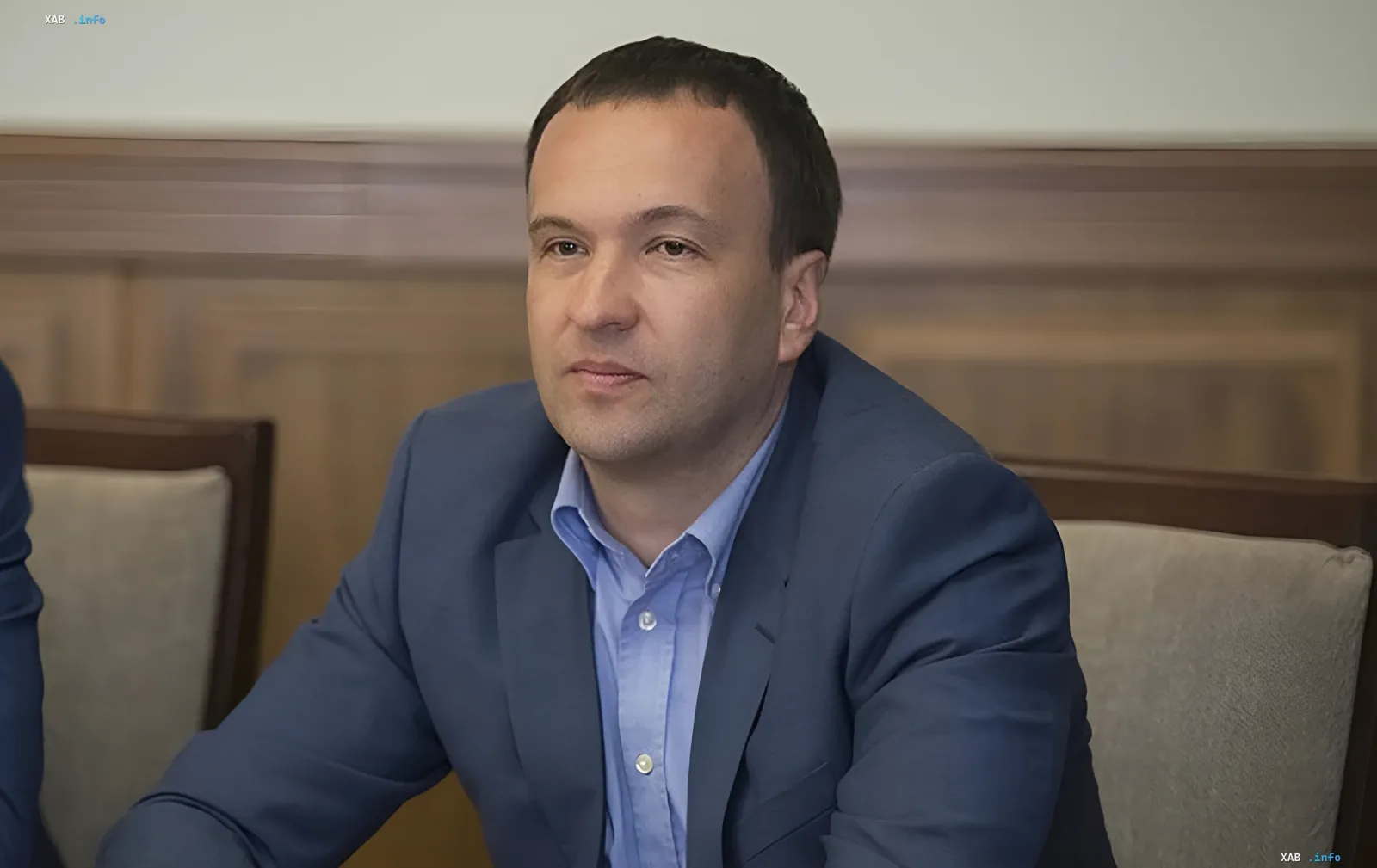
Petro Panteleev, Acting First Deputy Head of the KCSA, outlined specific figures for restoration work in an interview. The main focus is shifting towards restoring destroyed CHP equipment and creating alternative energy sources. According to the official, city authorities have already completed more than 50% of the work within their competence. The plan provides for the full restoration of heating facilities and the partial restoration of energy blocks with a capacity of about 350 MW. By the end of the year, an additional 100 MW is planned to be added.
Special attention is paid to cogeneration units (combined heat and power plants). 60 MW of such capacity has already been launched in the city. "The plan by the end of the year is to launch 200 MW of reserve power from cogeneration units. There is equipment for 200 MW. 60 have been launched. We plan to launch the rest by the end of the year," Panteleev clarified. The remaining part of the declared 1000 MW of additional generation will be provided by local boiler houses, replacement and strengthening of old boilers and pumps.
Double Reserve: 100 Warming Points
Understanding that even with reserve capacities, attacks on infrastructure can lead to local outages, Kyiv is preparing action scenarios for extreme conditions. This year, the city is doubling the number of key warming points. If last winter there were approximately five schools with autonomous heat and food in each district, in 2026 this number will increase to ten per district — a total of 100 points across the city.
These points, located mainly in schools and social institutions, will be equipped with autonomous power and heating sources. In the event of an emergency power or heating outage, such centers will be immediately opened to all residents. The official emphasized that this is a task for district administrations requiring clear coordination.
Budget and Co-financing: 22 Billion UAH
The total funding for Kyiv's winter preparation amounts to a record 22 billion hryvnias. A significant portion of the funds is allocated to engineering and technical protection of critical infrastructure facilities and the construction of shelters. In addition, the budget provides an unprecedented amount for city co-financing programs to prepare residential buildings for winter.
Programs allowing residents to purchase backup power (generators, UPS) already cover more than 1,000 buildings. Distributed energy is also being actively implemented in capital high-rises: currently, 200 solar power plants are already in operation. However, as Panteleev noted, a significant part of the budget is consumed by the costs of restoring the consequences of ballistic shelling, the damage from which amounts to hundreds of millions of hryvnias for a single strike.