Kyiv has been living under a constant air alert for seven days now: the enemy is systematically attacking the capital and its surroundings with jet-powered drones. Against the backdrop of the unrelenting strikes, city and central authorities are preparing a plan to change the operating modes of businesses and transport. According to RBC-Ukraine, a final decision on exactly how the city will function under such conditions has not yet been made, but the main outlines of the scenario under discussion are already known.
Transport under alert conditions: the problem of crossing the city
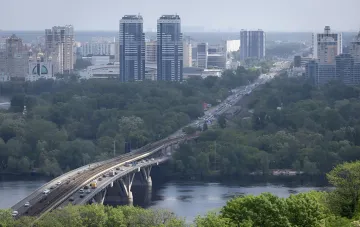
The key logistical problem for Kyiv residents during an alert is related to the metro: in warning mode, trains run only on the underground stations, which effectively makes it impossible to travel from the left bank to the right bank and back. This is precisely why Kyiv is discussing the possibility of allowing metro trains to run on the green line, in order to preserve the city's connectivity even under restrictions. In parallel, authorities are considering how to synchronize the operation of surface transport and ride-hailing with the new warning modes.
'Yellow' and 'red' alerts: how the modes could be divided
At a meeting of the Servant of the People faction, attended by Prime Minister Serhiy Haidai, an option was discussed to divide types of alerts into two levels. A 'yellow' alert would mark a drone attack, in which case businesses independently decide whether to continue operating, while a 'red' alert would indicate a missile threat, when all establishments close. MP Olena Vasilevska-Smaglyuk also put forward a proposal to cap taxi fares during alerts. Thus, several scenarios are being discussed at once, and none of them had become final at the time of publication.
Uklon's position: how the price of a ride is formed
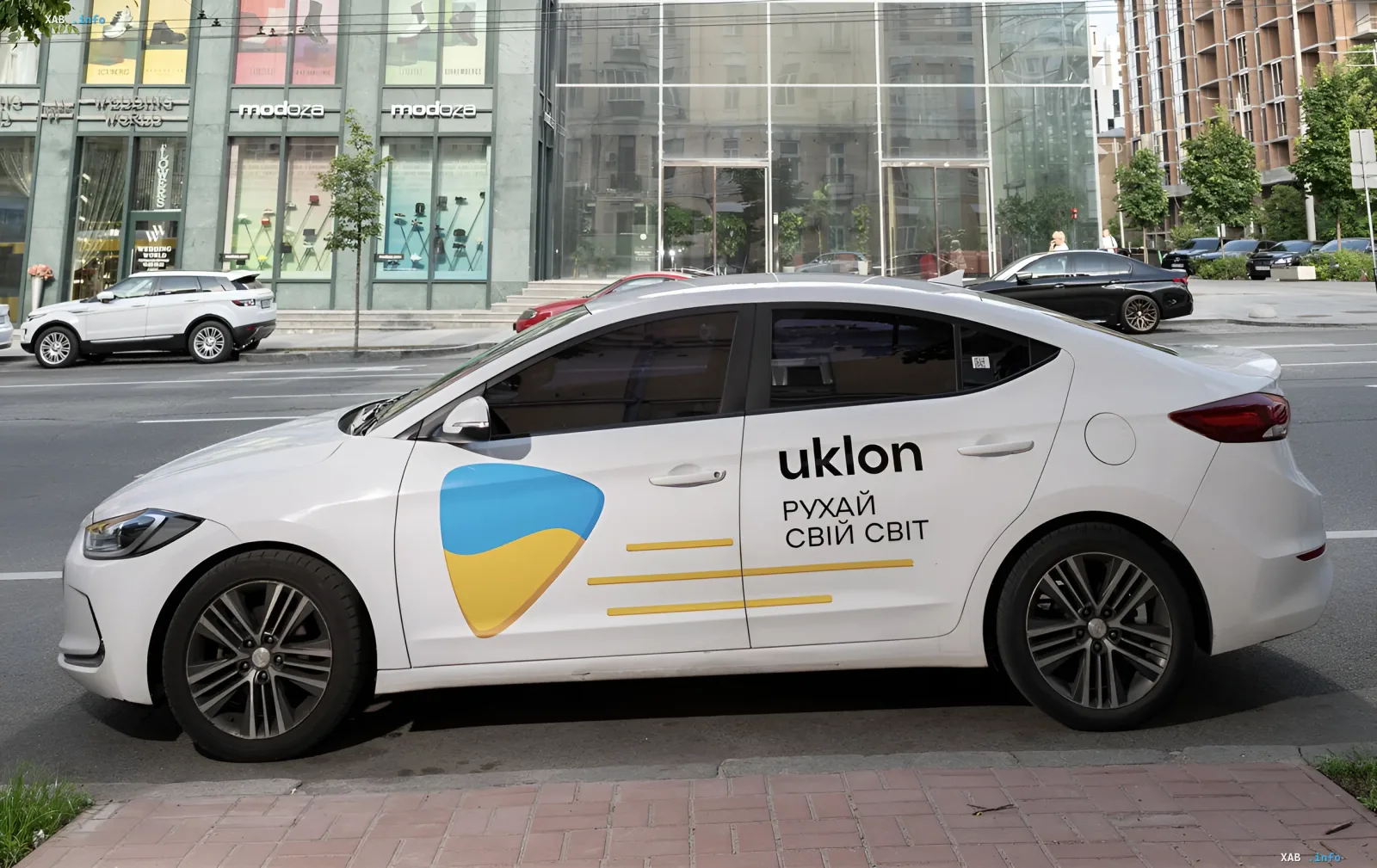
In a comment to RBC-Ukraine, Uklon explained that the service operates on a dynamic pricing system, in which the cost is formed based on the balance of supply and demand. The fare may be influenced by the time of day, weather conditions, the state of public transport, road works, disruptions or peak loads (including after a temporary suspension of metro service), shelling, communication problems and curfew. The system automatically adjusts the price if, in a particular neighborhood during peak hours or in bad weather, the number of orders becomes noticeably higher than the number of available drivers nearby — this is done to motivate drivers to fulfill orders.
Why the company is against an artificial price cap
In response to the idea of capping fares during alerts, Uklon emphasized: when public transport is stopped or restricted, and bridges are closed, demand for rides grows rapidly, while the number of drivers shrinks due to safety risks and faulty GPS operation. The company warned that an artificial restriction on pricing is highly likely to lead to drivers refusing orders, and the ride-hailing market during alerts would effectively come to a halt. According to Uklon's assessment, under conditions of transport collapse, dynamic pricing, on the contrary, becomes a necessary tool that allows people to get home when other options are unavailable.