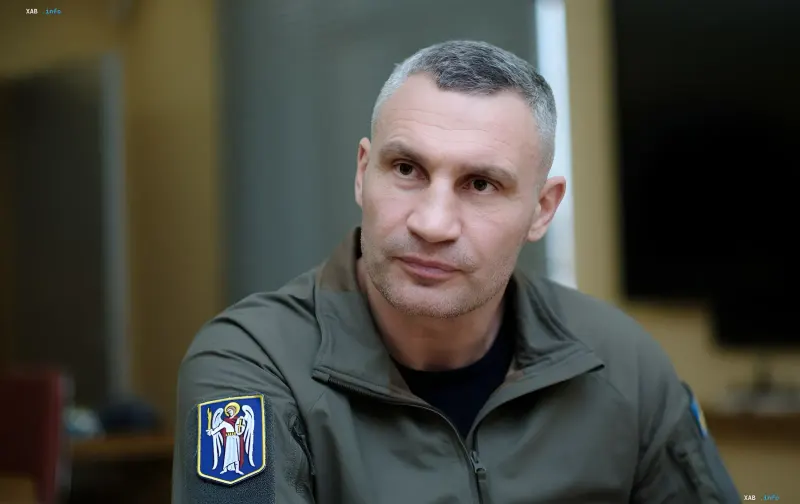
As of August 18, 2026, Kyiv has completed nearly half of the planned work to prepare for the upcoming heating season. This was announced by the city's mayor, Vitali Klitschko, during a report to the city council and the media. According to the press service of the Kyiv City State Administration (Kyiv City Council), the current pace of work is average for dozens of projects, ranging from local repairs to large-scale infrastructure changes.
Duplication Strategy and Energy Security
The key task in preparing the city for the winter of 2026–2027 was the creation of a duplicate life-support system. Amidst the continuing threat of destruction of major generating facilities, city authorities focused on ensuring backup channels for heat, electricity, and water supply. As Vitali Klitschko noted, Kyiv's heating system is one of the largest in Europe, and a radical restructuring in a short period is impossible. Nevertheless, priority is given to localizing risks and creating autonomy for critical nodes.
Chronology and Implementation Stages
According to the mayor, the 50% readiness figure is an average. Some projects are already 90% or more complete, while others, more complex engineering tasks, require additional time. The city expects to complete the main work necessary to start the heating season in the coming weeks. At the same time, fundamental projects involving the production and installation of necessary equipment are planned for implementation by the end of 2026. This will help create a more resilient infrastructure for future challenges.
Contradictory Data
Despite optimistic statements about progress, critical assessments of the situation are being voiced in the expert community and political circles. In early August 2026, Klitschko accused the central authorities of refusing to provide sufficient assistance to Kyiv in preparing for winter, stating that implementing the resilience plan requires more than 20 billion hryvnias. While the mayor calls for a meeting of the National Security and Defense Council (NSDC) to resolve the issue, other sources indicate that responsibility for preparation may be redistributed to the mayor's deputies, raising questions about the centralization of crisis management.
Resource and Personnel Shortage
Vitali Klitschko also acknowledged that the city is facing serious difficulties, including a lack of qualified specialists, funding, and time. These factors significantly complicate the completion of all planned tasks within the established deadlines. City authorities are forced to seek compromise solutions to ensure a minimum necessary level of comfort and safety for the capital's residents in the conditions of a harsh winter.