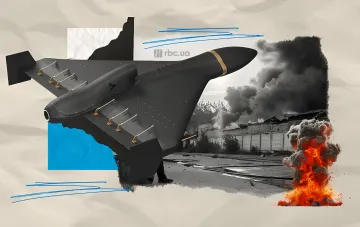
August 10, 2026 Ukraine faced one of the largest air attacks in recent times. Overnight, Russia launched a massive strike, deploying over a hundred unmanned aerial vehicles (UAVs) and a high-precision air-launched cruise missile. The Air Force of the Armed Forces of Ukraine reports that the enemy used both classic kamikaze drones and new types of weaponry, including "Banderol" loitering munitions.
Timeline and Composition of the Attack
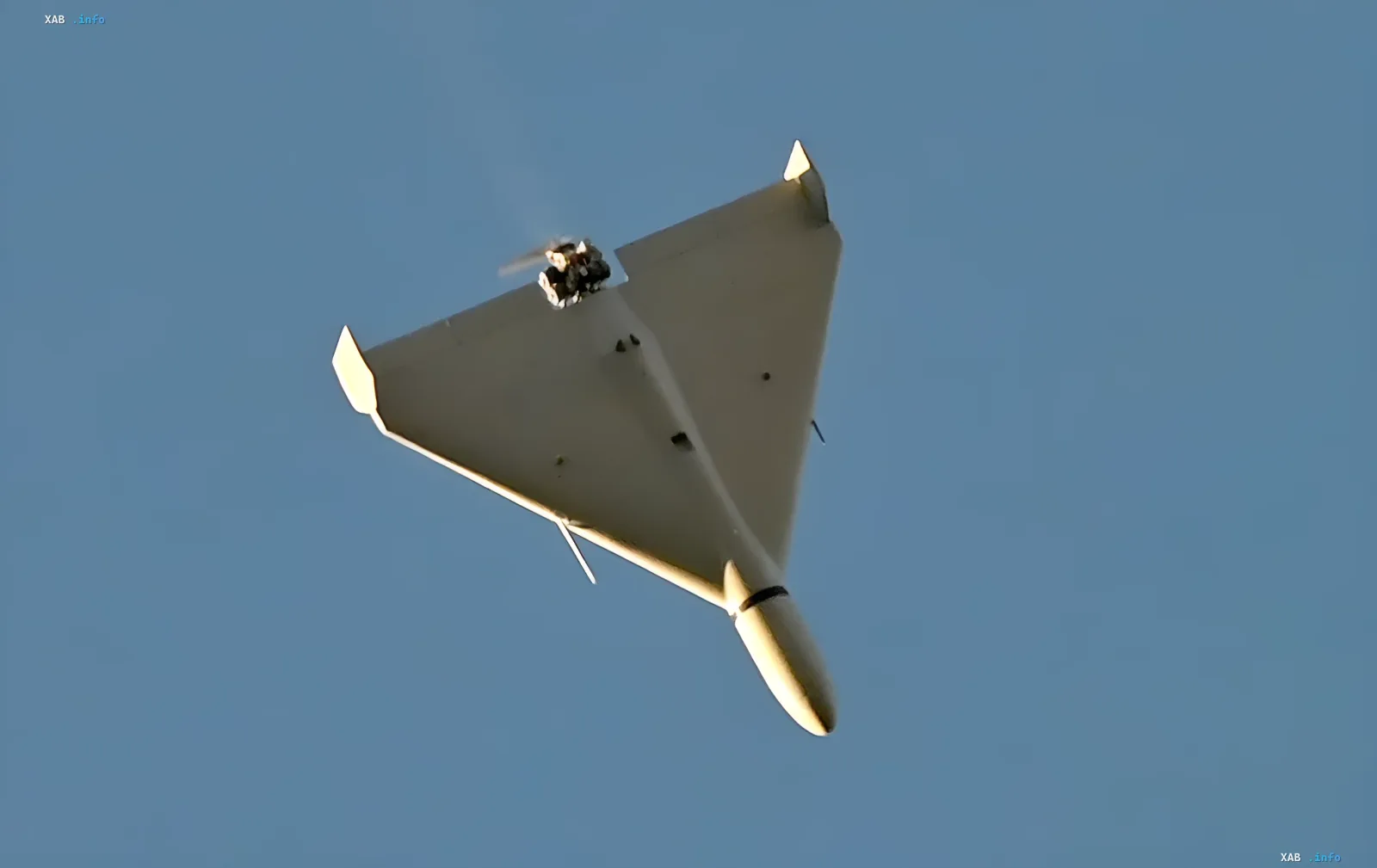
The attack began in the early hours of August 10. According to RBK-Ukraine, citing the Air Force of the Armed Forces of Ukraine, the enemy launched an Kh-59/69 air-launched cruise missile and three "Banderol" loitering munitions. The launches were carried out from the airspace over the Black Sea. Additionally, 126 strike drones of the Shahed and "Herber" types, as well as "Parody" decoy drones, were flying over Ukrainian territory.
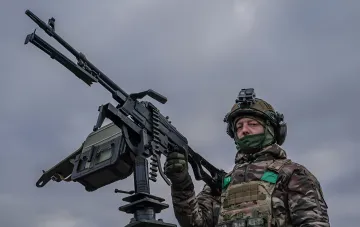
As of 09:00 AM, air defenders had shot down or suppressed 92 enemy drones. All three "Banderol" loitering munitions were also neutralized — in the north, south, and east of the country. The enemy missile, according to preliminary data, failed to reach its target due to the active countermeasures of the Defense Forces.
Consequences of the Strikes and Impact Locations
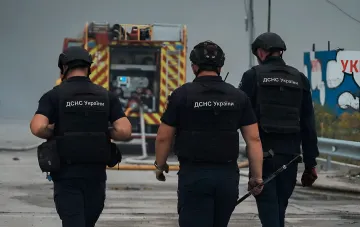
Impacts from strike drones were recorded in 22 locations across the country. In two other places, debris from shot-down equipment fell to the ground. The attack is ongoing: individual enemy drones remain in the airspace and continue to be tracked by air defense systems.
The Air Force emphasizes that despite the scale of the attack, the air defense system is coping with the threat. However, the number and variety of drones create increased pressure on defense systems, especially when the enemy uses decoys to divert resources.
Russia's Production Plans and Resource Reallocation
An important context for understanding the scale of the attack is information regarding Russia's production plans. Back in the summer of 2026, the occupiers fulfilled their annual production plan for hypersonic "Zircon" and "Onyx" missiles. In the first seven months of this year, 33 "Zircon" missiles and 60 "Onyx" missiles were manufactured.
Meanwhile, the Main Directorate of Intelligence (HUR) reported that Russia has suspended the production of "Kinzhal" missiles due to low accuracy of hits. Rocket fuel and components have been redirected to the production of other ballistic missiles, which may indicate a change in tactics and priorities in the armed aggression.
Contradictory Data
There are discrepancies in the assessment of the attack's effectiveness. On one hand, the Air Force of the Armed Forces of Ukraine reports shooting down 92 drones and neutralizing all three "Banderol" munitions. On the other hand, some sources mention that some drones may have reached their targets, which is confirmed by recorded impacts in 22 locations.
There is also no consensus on whether the Kh-59/69 missile reached its target. The Air Force claims the missile was shot down, but details of the incident are not disclosed, leaving room for interpretation.
Outlook and Strategic Conclusions
The massive attack on August 10 demonstrates that Russia continues to intensify air strikes, using both mass drones and high-precision weapons. The reallocation of resources to the production of ballistic missiles instead of "Kinzhal" may indicate an attempt to increase the effectiveness of strikes using other types of weaponry.
For Ukraine, this means the need to further strengthen air defense systems, especially when the enemy uses combinations of different types of drones and missiles. It is also important to consider that Russia may continue to experiment with new types of weaponry, such as "Banderol," which requires rapid adaptation of defensive strategies.