On the night of October 25, Russian forces launched a large-scale air attack across Ukraine, employing 153 strike drones and various unmanned systems, including Banderol apparatuses. Air defense forces intercepted and suppressed the majority of targets, though hits and damage were recorded in several regions of the country.
Scale of the Night Raid and Launch Geography
According to the Air Force of the Armed Forces of Ukraine, the nighttime attack involved 153 Shahed-type strike drones, 92 of which were jet-powered. Additionally, the adversary used S8000 Banderol and Dan-T loitering munitions, Gerbera drones, and Parody-type decoy drones. Launches were carried out from Russian territories in the Bryansk, Oryol, Kursk, and Millerovo regions, as well as from temporarily occupied areas of the Donetsk region and the Crimean peninsula (Gvardeyskoye).
Results of Air Defense Operations
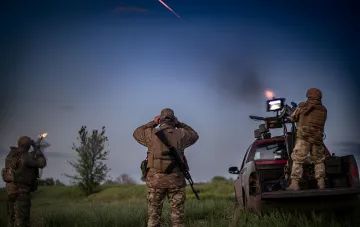
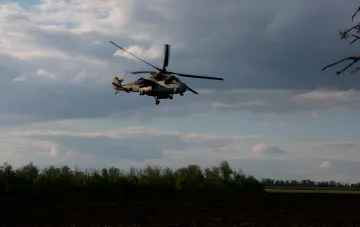
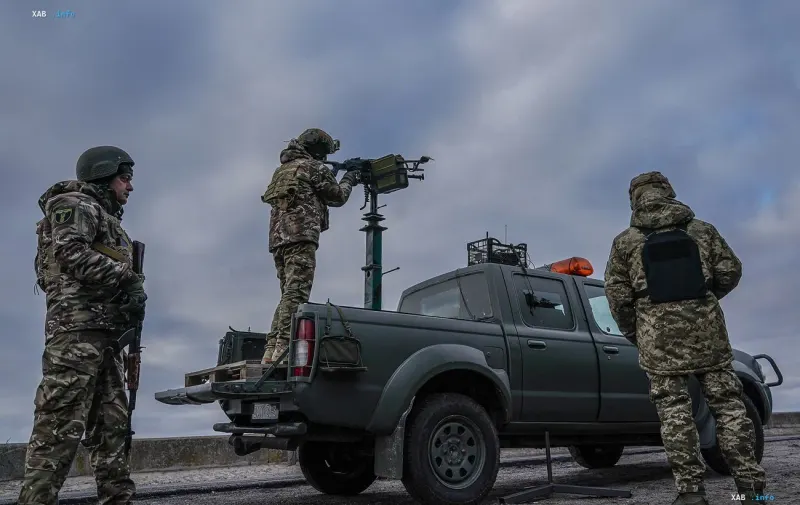
As of 08:00 AM, Ukrainian air defenses—including anti-aircraft missile units, aviation, electronic warfare systems, and mobile fire groups—managed to shoot down or suppress 119 enemy drones, including 64 jet-powered Shaheds, Gerbera apparatuses, and other modifications. Nevertheless, the intensity of the raid resulted in aerial weapon impacts being recorded at 15 locations. The fall of debris from downed aircraft was registered at another nine sites.
Impact on Ukrainian Regions
The most severe consequences of the attack were recorded in the Vinnytsia and Kharkiv regions. In Vinnytsia and the surrounding region, infrastructure facilities were damaged by impacts, causing partial power outages and a temporary blackout. In Kharkiv, a Russian strike hit a shopping center, injuring rescue personnel. Local social media channels noted that the target may have been the last operating hypermarket of a major retail chain in the city.
Significance and Future Risks
The current attack demonstrates the continued high intensity of air strikes using combined weapons, including jet drones and decoy targets designed to overwhelm Ukrainian air defenses. Despite the high interception rate, regular strikes on energy and civilian infrastructure place a severe burden on the life support systems of major cities. Defense forces continue to refine their tactics to counter such combined raids ahead of the upcoming winter period.