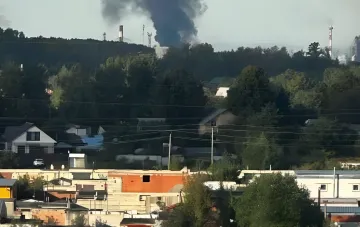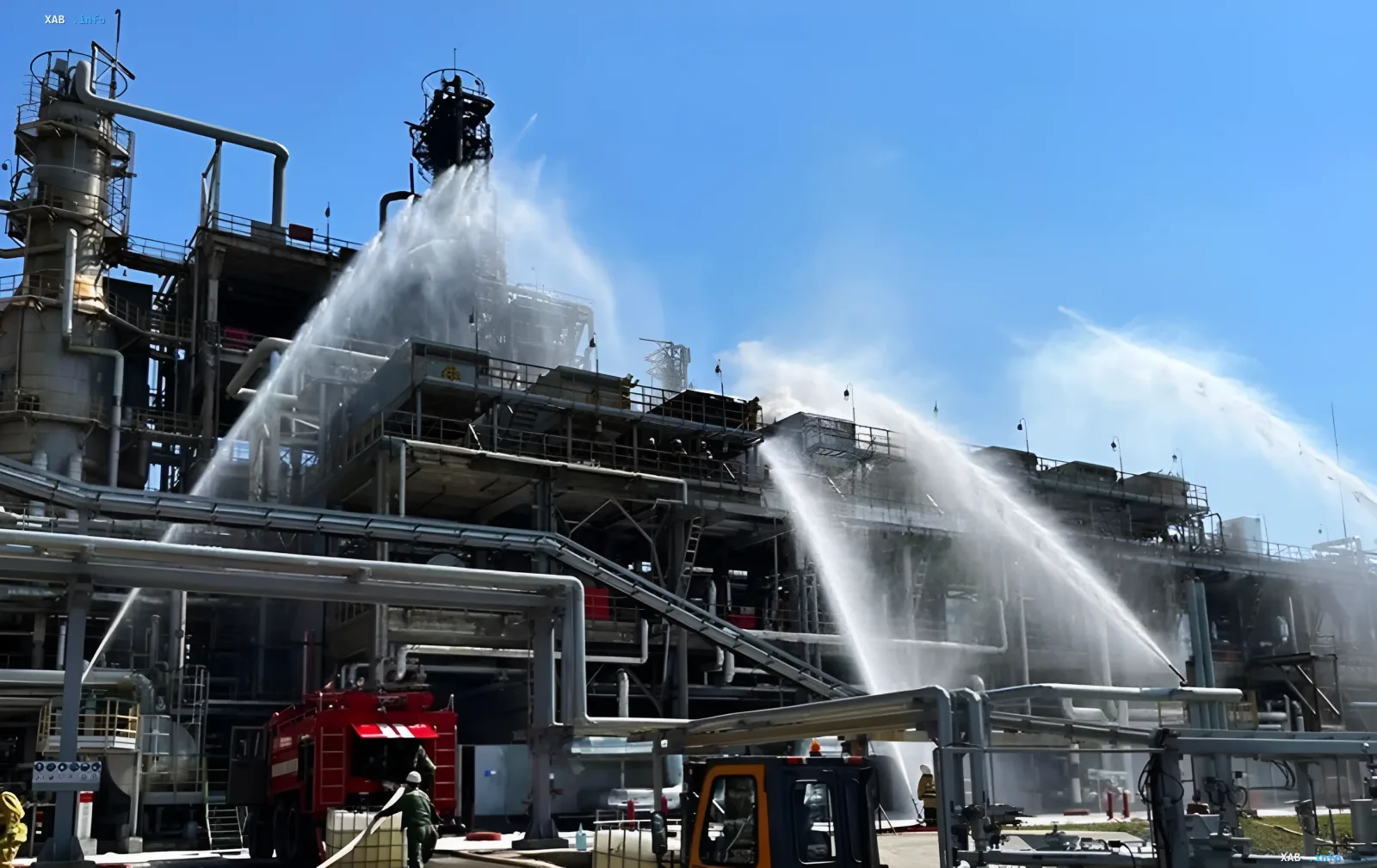
On the night of October 10, 2026, Rostov-on-Don was subjected to a large-scale drone attack. Local residents reported a series of powerful explosions rocking the city, after which a massive fire broke out in one of the industrial districts. According to preliminary data from OSINT analysts and local sources, an oil loading terminal associated with the infrastructure of the Novoshakhtinsk Oil Products Plant was hit.
Chronicle of Events and Scale of Destruction
Eyewitnesses of the incident have posted numerous videos on social media showing open flames and dense plumes of black smoke rising above the facility. The Novoshakhtinsk Oil Products Plant traditionally plays a key role in supplying fuel to the southern regions of the Russian Federation and ships products for export through a specialized terminal. Official agencies are currently refraining from providing detailed comments regarding the extent of destruction and possible casualties at the site.
Context and Political Statements
The incident occurred against the backdrop of recent high-profile statements on the international stage. Just a few hours before the nighttime raid, US President Donald Trump announced that an agreement had been reached with the Russian leadership regarding the supply of Russian diesel to global markets. Nevertheless, Ukrainian officials have repeatedly emphasized that until a full energy truce is established, strikes against strategic facilities of the Russian oil refining industry will continue as before.
Contradictory Data
While Ukrainian and independent OSINT sources confidently report the destruction of a key oil terminal in the Rostov region amid a series of nighttime explosions, Russian official structures and regional emergency services had not provided comprehensive information on the nature of the fire and the extent of damage to critical infrastructure at the time of publication. Such discrepancies in assessing the consequences of UAV attacks are recorded regularly, making prompt damage verification difficult.
Consequences for the Energy Market
New strikes on Russian oil and gas infrastructure could significantly impact the domestic fuel market and Russia's export obligations. Experts note that regular attacks on refining enterprises create serious logistical difficulties and force authorities to reconsider security measures for strategic facilities, especially against the backdrop of fragile international agreements.