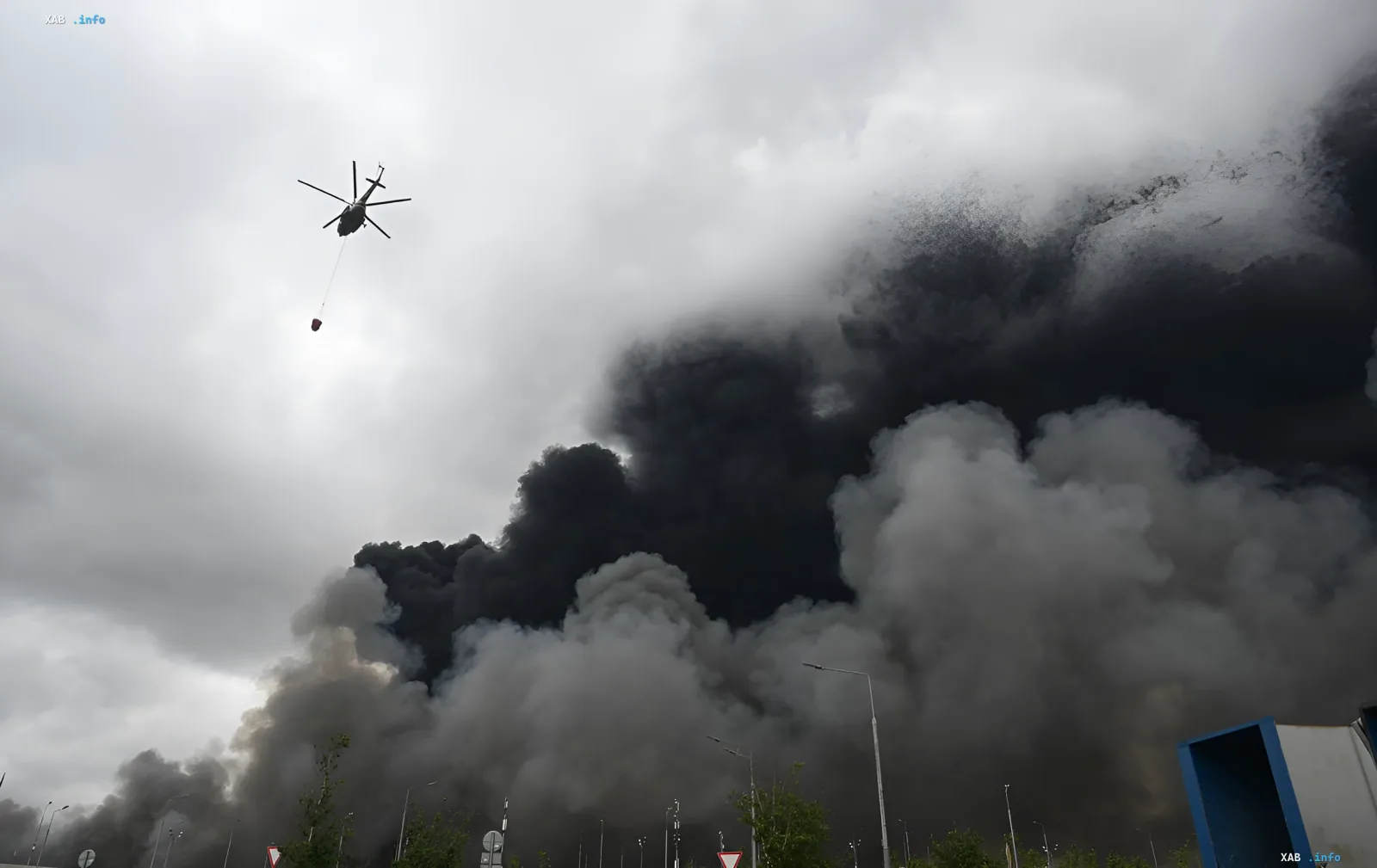
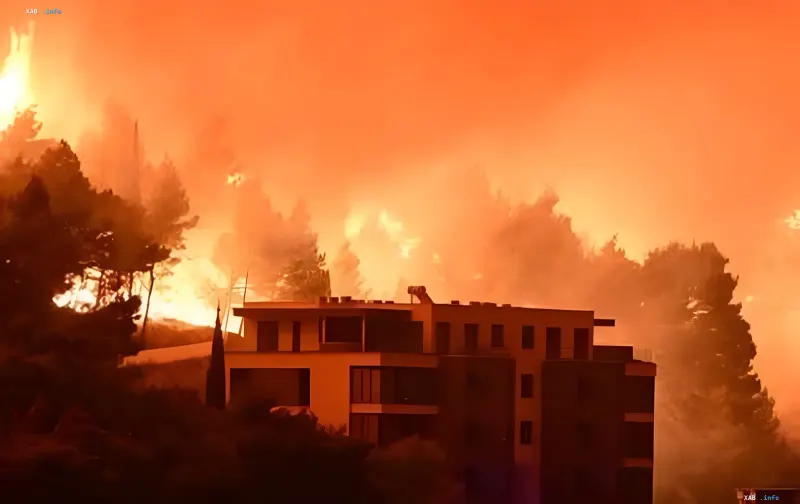
On August 14, 2026, Croatia was engulfed by a force of unprecedented power. Forest fires, breaking out in the height of the resort season, turned the picturesque coastline into a disaster zone. Fueled by strong winds, the fire rapidly spread across hills and coastal areas, threatening infrastructure and human lives. As of Tuesday morning, the flames had already destroyed several private homes and vehicles, while rescue services are operating in emergency mobilization mode.
Massive Evacuation and Casualties
The situation in the region requires an immediate response. On the morning of August 14, a decision was made to evacuate approximately 2,000 people from settlements located in close proximity to the fire sources. Tourists and local residents were transported to safe zones, including shelters set up by the Red Cross in the city of Omiš, as well as in neighboring resort centers—Split and Makarska. Among the evacuees is a significant number of foreign nationals, including citizens of Germany and Poland.
Medical statistics are also causing serious concern. More than 40 injured people were taken to hospitals in Split. According to representatives of medical institutions, at least 10 people are in intensive care in critical condition. Rescuers note that over the past night they fought "one of the most severe fires" in the country's recent history.
Government Response and International Context
Croatian Prime Minister Andrej Plenković personally visited the affected region to assess the scale of the disaster. According to him, the fire spread at lightning speed, complicating the work of fire brigades. The country's authorities have mobilized all available resources, including aviation. However, as soon as the situation in Omiš began to stabilize, fire-fighting aircraft were urgently redirected to the Pelješac peninsula, where the fire threatens residential homes.
Croatia found itself at the epicenter of a massive crisis sweeping the entire Balkan Peninsula. Hot weather and drought created ideal conditions for fires. In Montenegro, emergency crews have been holding back the fire along the coast for several days, and on Thursday, alarming reports came in about fires near the capital of Albania. In Spain and France, uncontrollable fire flows have forced more than 250,000 people to leave their homes.
Contradictory Data
There are discrepancies in official reports and eyewitness accounts regarding the exact number of casualties and the dynamics of fire spread. While local authorities report more than 40 injured and 10 in intensive care, individual reports from shelters in Omiš mention hundreds of evacuated tourists whose health status is not yet clarified. Furthermore, there are inconsistencies in assessing the speed of the fire's advance: while the Prime Minister calls the situation "lightning-fast," some local residents claim that the first fire sources were noticed the day before but did not receive due attention.
Environmental Aspect and New Fighting Methods
Ecologists and researchers note that the frequency and intensity of forest fires in Europe are increasing. In particular, scientists from Spain are proposing an unconventional method of combating this problem—the use of goats. Studies show that livestock grazing on dry vegetation and shrubs can significantly reduce the risk of fire spread. For now, Europe is forced to rely on traditional methods and international aid: Ukrainian rescuers have already sent a combined unit of 70 specialists and 15 units of special equipment to France to assist in extinguishing fires.