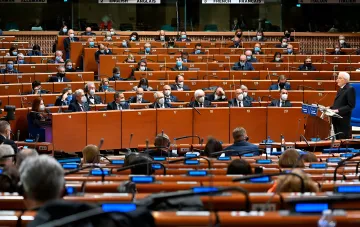
The Legal Affairs Committee of the Parliamentary Assembly of the Council of Europe (PACE) has approved a draft resolution and recommendation, prepared on the basis of a report by the United Kingdom's representative, Tony Vogan. The document proposes the creation, under the auspices of the Council of Europe, of a special financial mechanism that would allow the immobilised funds of the Russian central bank to be directed toward payments of compensation to Ukraine in accordance with the rulings of the European Court of Human Rights (ECHR). According to the committee's assessment, the use of Russian assets for compensation may be recognised as a lawful countermeasure in compliance with the norms of international law. The proposal will be considered at the PACE session on 30 September 2026.
Legal basis and the role of the ECHR
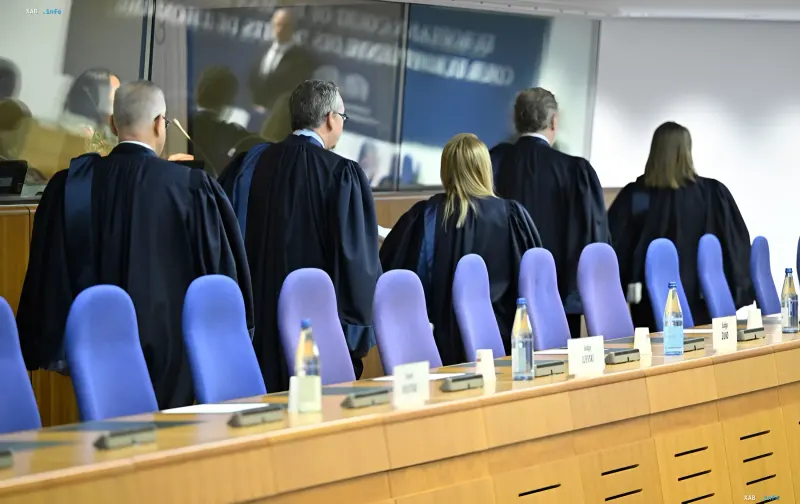
The initiative is grounded in existing case law: in two inter-State cases, the ECHR found Russia responsible for serious human rights violations committed during the war against Ukraine. In July 2025, the Court issued unprecedented rulings confirming numerous crimes by the Russian Federation, including responsibility for the downing of flight MH17. This became the most extensive condemnation of an aggressor in the history of the European judicial system. However, the specific amount of the "just satisfaction" that Moscow is to pay has not yet been determined by the Court — this question remains open and will be resolved in the course of subsequent proceedings.
Scale of potential compensation
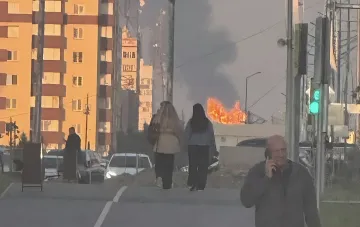
Given the scale of the damage inflicted on Ukraine as a result of Russian aggression, the figures, according to PACE parliamentarians' estimates, could potentially amount to billions, tens of billions, or even hundreds of billions of euros. The exact sum will depend on the ECHR's final rulings on determining the amount of "just satisfaction," as well as on the final assessment of material and non-material harm. The creation of a special financial mechanism under the auspices of the Council of Europe is intended to ensure the transparency and legal soundness of the process of redirecting the frozen funds.
Russia's status after leaving the Council of Europe
The PACE committee specifically emphasised that Russia's withdrawal from the Council of Europe does not annul its responsibility for violations committed prior to its exclusion. The Russian Federation ceased to be a party to the European Convention on Human Rights six months after its exclusion from the organisation; however, the ECHR's rulings on previously committed violations continue to be in force. "This obligation under international law does not diminish over time and cannot be abolished by the domestic legislation of the Russian Federation," the committee stated. Thus, the legal basis for the recovery of compensation is preserved regardless of Moscow's current membership in the Council of Europe structures.
Additional committee initiatives
In addition to the main asset-transfer mechanism, PACE parliamentarians called on national authorities to ensure that other claimants in cases against Russia are able to initiate legal proceedings to obtain the compensation due to them in the event that Moscow refuses to pay it. Moreover, the committee proposed creating an open list of individuals found to be involved in large-scale human rights violations and who have not yet been held accountable. These initiatives are aimed at strengthening individual access to justice and increasing the transparency of the accountability process.
Timeline and voting prospects
The draft resolution and recommendation prepared by Tony Vogan have already received approval at the level of the PACE Legal Affairs Committee. The final vote on the document is scheduled for 30 September 2026. The outcome of the session will determine whether the mechanism for transferring frozen assets will be formalised at the Assembly level and what specific steps will need to be taken by the national governments — member states of the Council of Europe — to implement it. For Ukraine, the adoption of the resolution will be an important diplomatic and legal step on the path to recovering compensation for the consequences of Russian aggression.