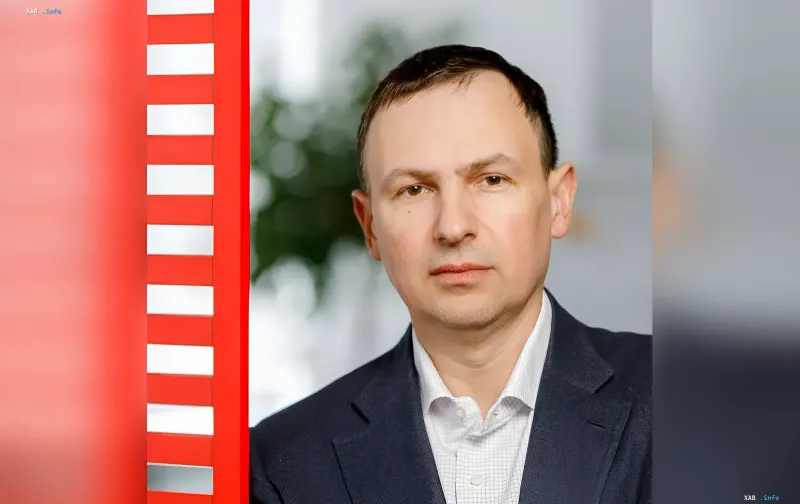
Volodymyr Popereshnyuk, co-owner of the NOVA group of companies, has stated that Ukraine's energy sector must transition to a full-fledged market model without administrative price caps. According to him, such a step will increase the number of private electricity producers and make the energy system more decentralized. This was reported by RBC-Ukraine, citing the businessman's statement.
Electricity as a Standard Market Product
Popereshnyuk believes that electricity should become a regular market product that can be freely produced, supplied, bought, and sold. He calls the abolition of price caps a key condition for such a transition. "All that is needed for this is to finally transfer the energy sector to a full-fledged market model: remove licenses, lift price caps, and open the way for its privatization," he noted. In his estimation, the existing model depends excessively on state regulation and does not allow the market to adapt quickly enough to the challenges of war.
Decentralization and Infrastructure Resilience
The businessman argues his position by stating that a larger number of private producers could accelerate generation decentralization and reduce business dependence on expensive self-provision. "Therefore, if we need the resilience of the entire energy infrastructure, it must be freed from regulation and licensing. Entry into this market must be open and free," Popereshnyuk emphasized. Thus, his position boils down to the fact that free market entry and the absence of administrative barriers are prerequisites for the resilience of the energy system under combat conditions.
Price Caps: Increase in 2026 and Role in Imports
The statement came against the backdrop of changes in the price policy of the electricity market. As reported earlier, the National Energy and Utilities Regulatory Commission (NEURC) increased price caps on short-term market segments in January 2026. According to industry analysts, this step made it possible to expand import cross-sections and increase electricity imports from Europe during a period of deficit caused by damage to energy infrastructure resulting from shelling by the Russian Federation. Andriy Zakrevsky, Deputy Director of the Association of Energy and Natural Resources of Ukraine, previously noted that the ability to attract electricity imports during evening hours depends, among other things, on the level of price caps: after solar generation decreases, Ukraine begins to import electricity if price caps and the economic situation allow it.
Position of Industry Associations and Experts
The debate over price caps remains active within the industry. The Ukrainian Wind Energy Association and the Solar Energy Association of Ukraine appealed to the regulator with a call to raise the maximum price caps to UAH 18,000/MWh, considering the current levels (UAH 15,000/MWh in the day-ahead and intraday markets and UAH 17,000/MWh in the balancing market) insufficient for the current needs of the energy system. The associations pointed out that in September, the price in the balancing market for a significant number of hours actually reached the maximum allowable UAH 17,000/MWh. Energy Club Vice President and former Deputy Energy Minister Maksym Nemchynov, in turn, called current price caps one of the key barriers to increasing imports from the EU: according to him, the physical and technical readiness of the energy system allows for a significantly larger volume of imports, but price caps deprive traders of incentive when European prices during peak hours exceed Ukrainian caps.
The combination of these statements shows that the issue of price caps and licensing has become central to the discussion on how to ensure the resilience of Ukraine's energy system and expand the influx of private investment into generation and imports in 2026.