Preparing a classic homemade dessert can become much easier when using proven culinary tricks. Experts from the lifestyle project Styler have shared a popular recipe for the base of a Napoleon cake, the key secret of which is the use of ice-cold sparkling water. This approach allows achieving an ideal flaky dough structure without exhausting multi-hour rolling and folding of layers, which is especially appreciated by modern homemakers looking to save time in the kitchen.
Secrets of Perfect Dough and Ingredient Preparation
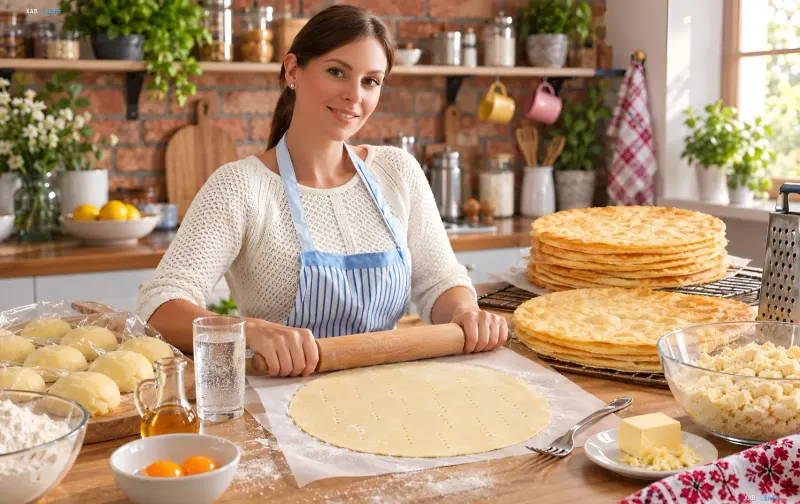
To create the ideal base for eight layers with a diameter of about 18.5 centimeters, it is necessary to strictly maintain the temperature regime. All components, including butter and water, must be as cold as possible, as it is the sharp temperature drop that ensures the appearance of air pockets during baking. Sifted flour is combined with pre-frozen butter grated on a coarse grater, quickly rubbing the mass with hands to the state of heterogeneous fine crumbs. In a separate container, yolks, ice-cold sparkling water, and a small amount of vinegar are whipped, after which the liquid component is quickly introduced into the dry mixture to form a single elastic lump.
Controversial Data
In the culinary community, active debates continue regarding the ideal composition of liquid for quick-prep puff pastry. Some classical recipes insist exclusively on ice-cold clean water or milk with the addition of high-quality cognac for loosening, while modern trends from social networks prove the high efficiency of sparkling water specifically. Proponents of the traditional approach argue that carbon dioxide does not replace classic puff pastry, yet numerous video reviews by culinary bloggers demonstrate consistently excellent results and superb crispiness of finished items precisely when using sparkling water.
Baking Process and Dessert Assembly
The resulting dough is divided into eight equal parts weighing about 85 grams each, formed into balls, covered with plastic wrap, and placed in the refrigerator for at least one hour. Chilled blanks are rolled strictly between two sheets of parchment to a thin layer, after which circles of the required diameter are cut out, taking into account inevitable shrinkage in the oven. The surface is mandatory pierced with a fork, and scraps are baked along with the main layer for subsequent crushing and decorating of the dessert. Baking takes only 5–7 minutes at a temperature of 180 degrees until a beautiful golden hue appears.