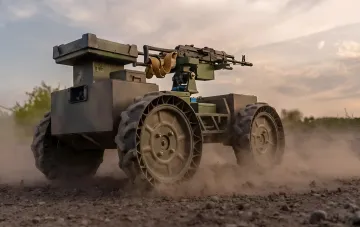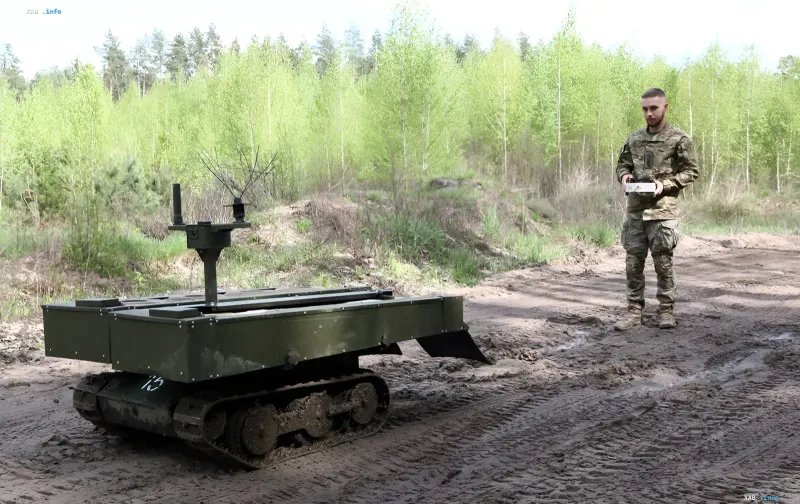
On the front lines in Ukraine, there is a rapid increase in the use of Ground Robot Complexes (GRCs). Over the last six months, the number of missions involving their use has more than doubled. However, centralized deliveries of new equipment from the state, which were supposed to meet the army's needs, are being delayed until the end of summer.
This was reported by Viktor Pavlov, founder of the GRC School and an officer of the GRC battalion of the 3rd Separate Assault Brigade, in an interview with RBC-Ukraine. According to him, despite delays with contracts, the intensity of robot use is growing, and the number of units mastering this equipment is constantly increasing.
Legal Collision and the Tax on Robots
The main reason for the shift in delivery deadlines was a bureaucratic and legal problem. State contracts for the procurement of ground robots were concluded with a delay only in April. The key factor in the delay was a collision with VAT.
From January 1, 2026, Ukraine reintroduced the value-added tax on electric vehicles. In the legislation, ground robot complexes were equated to this category of equipment. As a result, the cost of GRCs for the military increased by 20% compared to unmanned aerial vehicles (UAVs), which are purchased tax-free.
The decision on the application of VAT was fixed in the budget, but this took time. Manufacturers need time to purchase components and launch production lines under the new conditions. This is why the first shipments of equipment under state contracts are expected no earlier than the end of summer.
Volunteers Fill the Gaps
While the army waits for centralized deliveries, the need for equipment is being met through other channels. The procurement of GRCs continues independently — with the active support of volunteer funds. This allows units not to stop their work and to continue implementing robotics in combat tasks.
Experts note that, despite the rapid development of robotics, traditional armored vehicles still retain their key role on the battlefield. NAUDI previously emphasized that GRCs have significant technical limitations. Armored vehicles remain the only reliable protection for military personnel against FPV drone attacks and minefields, while robots perform auxiliary and reconnaissance functions.