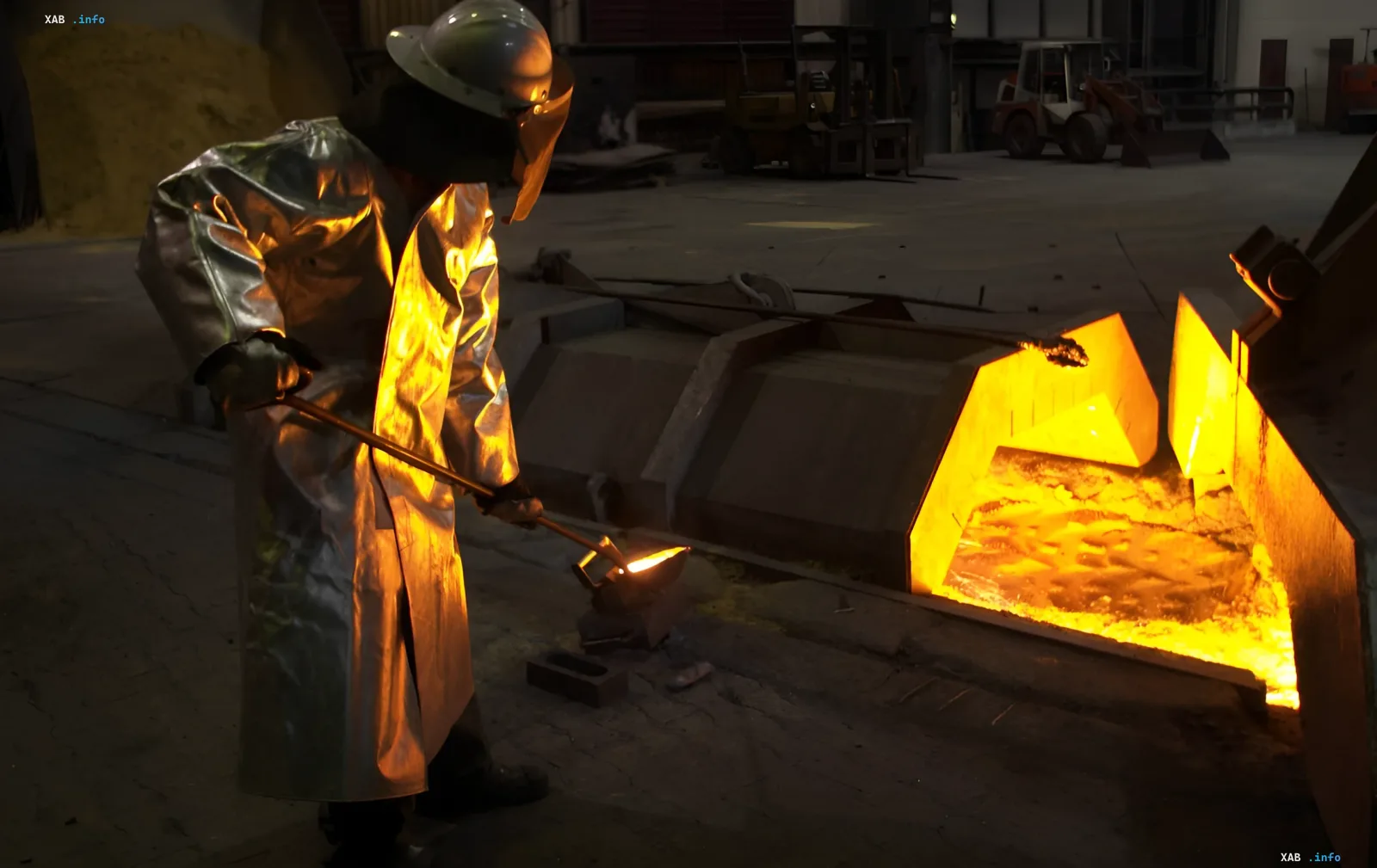
The Ukrainian metallurgy industry is facing an unprecedented crisis driven by the dual pressure of military hostilities and foreign trade restrictions. Before the active phase of Russian aggression in 2014, the mining and metals sector accounted for about 10% of Ukraine's gross domestic product and generated over 30% of total domestic exports. Despite losing a portion of its assets and supply chains over the past years, the sector remained a crucial foundation of the national economy. However, amid ongoing massive Russian strikes, the situation has become critical, threatening the very survival of the industry.
Attacks on Production and Logistical Deadlock
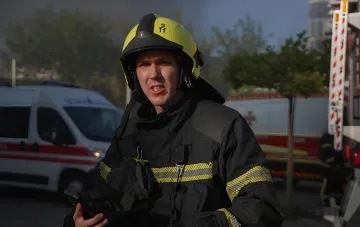
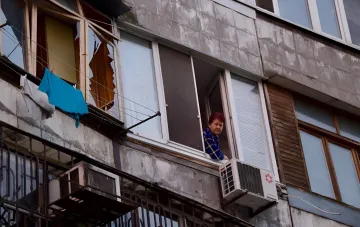
In recent months, Russian forces have deliberately targeted key enterprises of Ukraine's metallurgical industry. Facilities of giants such as Metinvest, ArcelorMittal Kryvyi Rih, and Interpipe have repeatedly come under enemy fire. Metinvest Group CEO Yuriy Ryzhenkov, in an interview with the Italian newspaper Corriere della Sera, noted that the company is currently assessing large-scale destruction and trying to find opportunities to repair equipment. Meanwhile, the logistical crisis is exacerbated by the naval blockade: due to the impossibility of fully utilizing Black Sea ports, Ukrainian producers are deprived of alternative export routes, making the European Union market vital for survival.
The Paradox of European Quotas and Double Standards
Against the backdrop of colossal infrastructure destruction and logistical deadlocks, the European Union has introduced severe new restrictions that have reduced quotas for Ukrainian steel imports by more than 60% compared to last year. The Metinvest head called this situation a glaring paradox. On the one hand, European allies provide Ukraine with massive financial and military assistance; on the other hand, they significantly restrict the ability of Ukrainian industry to independently earn money and sustain its economy. According to the top manager, the absurdity is compounded by the fact that Russian metallurgical products continue to enter the EU market, bypassing sanctions regimes.
Contradictory Data
Analyzing current trade restrictions, experts and market participants note the ambiguity in Brussels' approach to protectionist policies. While official EU institutions declare the need for comprehensive support for Kyiv and the long-term integration of Ukraine's economy into the European space, practical steps in steel quota allocation deal a heavy blow to exporters. On one hand, metallurgists support European integration and production decarbonization. On the other hand, rigid quotas amid war strip enterprises of investment resources. Industry representatives have repeatedly called on the Ukrainian government to intensify dialogue with Brussels to revise trade barriers, abolish the carbon tax, and develop an adequate long-term recovery strategy.