Ahead of the heating season, the State Emergency Service of Ukraine (SESU) has published comprehensive recommendations on preparing private homes for winter. According to agency experts, systematically inspecting all systems and structures in the autumn helps prevent emergencies during the cold season, when the load on heating appliances, the electrical grid, and utility lines increases manifold. The publication appeared on the official SESU Facebook page and was covered by RBC-Ukraine.
Walls, Stoves, and Chimneys: Basic Inspection
The SESU checklist lists inspecting load-bearing structures and house walls for cracks and other damages as the first point. It is during the autumn-winter period that micro-cracks can widen due to temperature fluctuations, while moisture penetrating inside turns into ice and destroys the masonry. Rescuers particularly emphasize stoves, fireplaces, and chimneys: before starting the heating season, they must be checked for tightness, cleaned of soot, and dampers must be verified for proper operation. A non-functioning or damaged chimney is one of the main causes of carbon monoxide poisoning in private homes.
Electrical Grid and Generator: Safety Rules
The second set of recommendations concerns the electrical grid. The SESU advises checking the condition of wiring, sockets, switches, and extension cords, paying attention to exposed or damaged cables. "Replace all damaged electrical grid elements," the agency emphasized. Special attention is given to gasoline and diesel generators: they are permitted to be installed exclusively outdoors, at a distance of at least six meters from windows, doors, and ventilation openings. This rule is designed to prevent carbon monoxide poisoning, which can accumulate in enclosed spaces.
Fuel, Gas Cylinders, and Premises
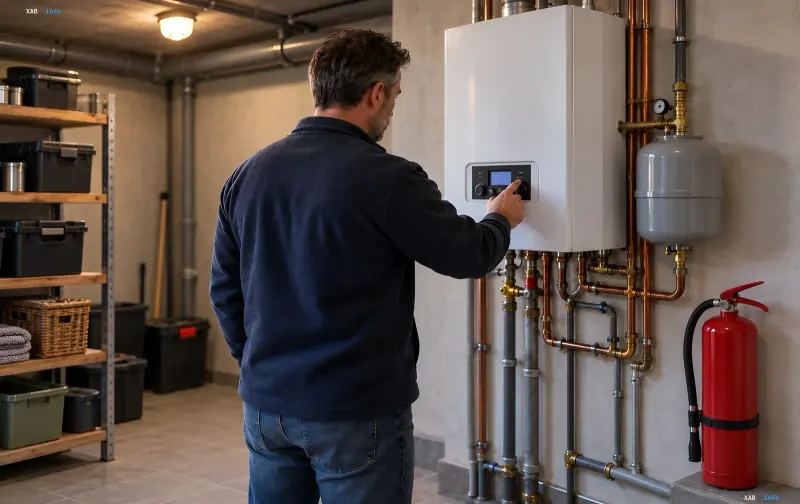
The third section of the checklist is dedicated to the storage of combustible substances. The SESU reminds homeowners to check the tightness of containers holding fuel, as well as ensure the proper placement of gas cylinders — they must not be kept in residential areas and must be protected from heating. In addition, rescuers advise inspecting attics, basements, and boiler rooms: checking the condition of ceilings, ensuring there are no leaks, clearing ventilation ducts, and verifying the serviceability of boiler equipment.
Fire Safety and Action Plan
The recommendations conclude with a block dedicated to fire safety and emergency preparedness. The agency recommends keeping a fire extinguisher in an easily accessible place known to all family members and regularly checking its expiration date. Furthermore, rescuers emphasize the importance of drawing up a clear action plan in case of a fire or other emergency: who calls for help, what evacuation route to take, and where the first-aid kit and water supply are located. Additional materials have been published by the SESU in the seventh episode of the educational series "How to Act in Emergencies" on the Diia.Education platform.
Earlier, it was reported that amid periodic power outages, Ukrainians have been massively purchasing heating equipment and generators ahead of winter. Experts also explained under what conditions private home residents can leave their housing during the cold season without health risks. Ukrhydrometeorological Center forecasters previously presented a preliminary forecast for November and winter, pointing to expected temperature fluctuations and precipitation amounts through the end of 2026 and the beginning of 2027.