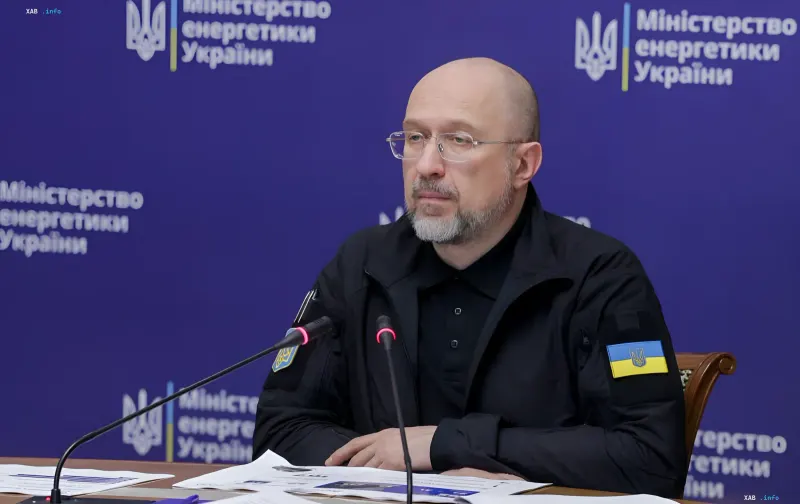
Ukrainian Energy Minister Denys Shmyhal, in an interview with Politico, voiced a worrying forecast for the winter period. According to him, the strategy of the Russian leadership is changing: if the main blow last season was directed at the energy system, now the main target could be water supply and sewage.
New target of attacks: water infrastructure
Shmyhal explained the logic of the enemy. In conditions of power outages, the population could survive having access to gas and water. However, the lack of water and sewage makes life impossible within a few days. It is on this factor, according to the minister, that the Kremlin's plan is built.
"Russia's goal now is to destroy our water supply. It is difficult to live more than three days without water and sewage," emphasized the head of the Ministry of Energy.
War of attrition
According to Shmyhal, Ukraine and Russia are waging a parallel war to destroy each other's energy systems. This confrontation directly affects future peace negotiations. Vladimir Putin counts on the destruction of the energy system to disrupt the Ukrainian economy and weapons production, and in winter, society will break from exhaustion and demand capitulation.
"He will shed blood, but he will drag us into winter. This is a pessimistic scenario, but my optimism is that we will survive this winter; we are ready for it," noted the minister.
Counter-blow to the Russian economy
In response to Russian attacks, Ukraine is striking oil refineries. Shmyhal cited data according to which these actions disabled about 40% of primary oil refining capacity in Russia, causing a fuel shortage throughout the country.
"It's like the 12th round, and every boxer hopes that his opponent will fall first," commented the minister on the situation.
Critical shortage of air defense means
To protect against ballistic missiles, which Russia uses as a tool of pressure, Ukraine critically needs PAC-3 interceptor missiles for Patriot systems. President Volodymyr Zelenskyy has repeatedly called on partners to transfer these means to strengthen air defense before the new season of attacks.
Kyiv hopes that the combination of strikes on Russian infrastructure and sanctions pressure will force Moscow to stop the war this autumn. If this does not happen, Ukrainians are expecting another winter of massive attacks.
Infrastructure adaptation
Ukraine is not only defending itself but also restructuring its infrastructure. Protective shelters are being built for electricity, water, and gas storage facilities. There is also a proliferation of modular boilers and generators — they are smaller and dispersed, which complicates the enemy's task of disabling them with a single strike.
Over the years of war, Russia has destroyed or damaged more than 80% of Ukrainian power plants. Despite the pessimistic forecast about the prolongation of the conflict, Shmyhal is confident that the country has acquired the ability to quickly adapt to crises and withstand them.