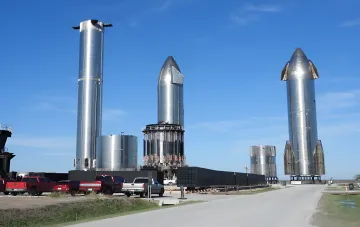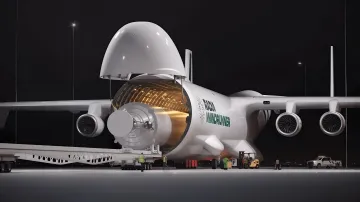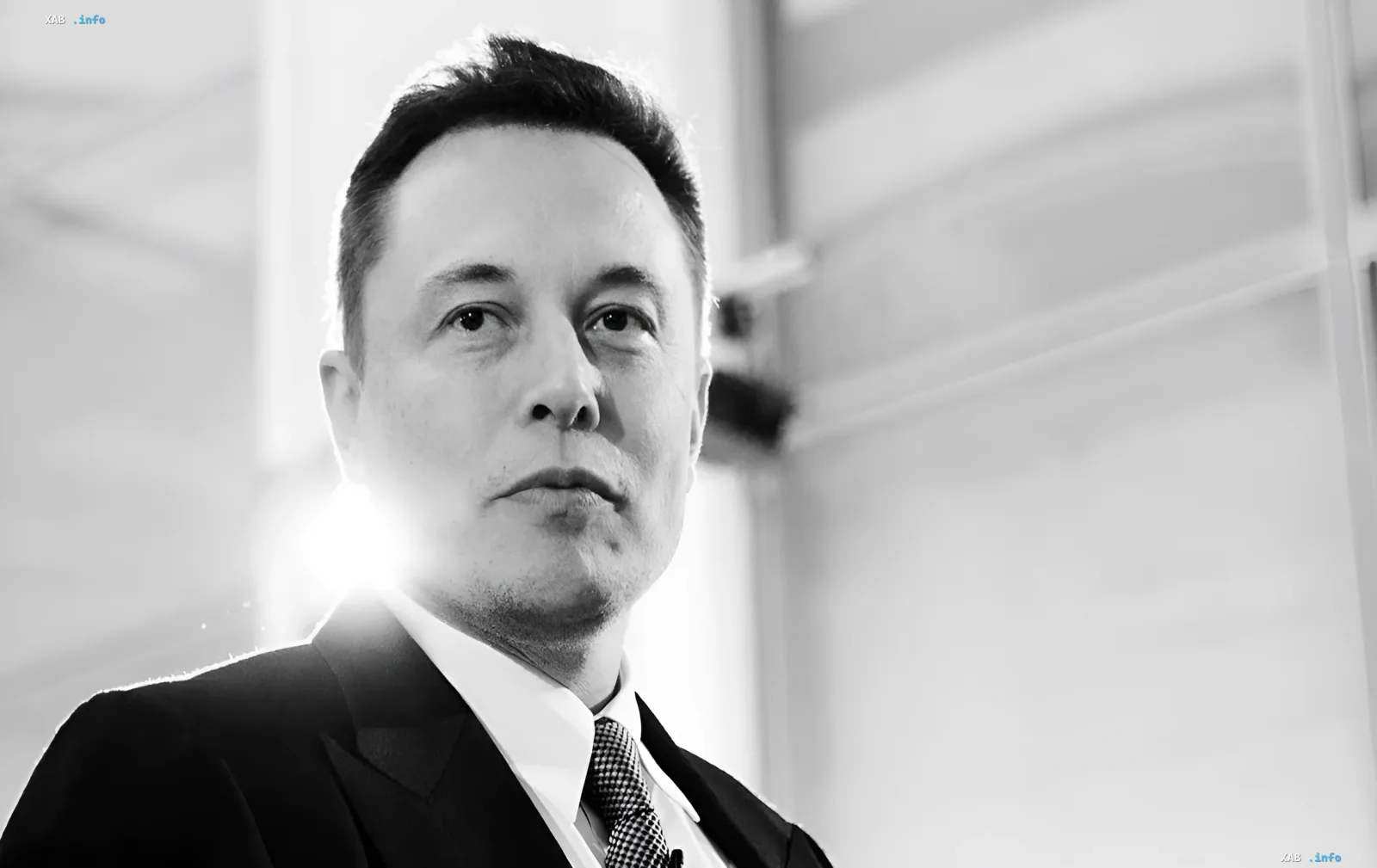
SpaceX has announced plans to build its largest spaceport in history — Starbase Louisiana, with an estimated cost of $100 billion. The new complex, covering more than 50,000 hectares, is designed to support a high frequency of spacecraft launches and will, according to the company, become the main site for scaling up the Starship program. According to the publication, the site includes ten launch complexes, indicating an industrial rather than experimental launch cadence.
Thousands of launches and mission goals
The strategic goal of Starbase Louisiana is to support thousands of annual Starship missions to low Earth orbit, the Moon, Mars, and beyond. This launch cadence is fundamentally different from the current operating modes of existing spaceports and requires precisely this amount of land and number of launch pads. The first launch from the new base is, according to the announcement, scheduled for 2029, setting the planning horizon for investors and contractors.
Impact on the Louisiana economy
The scale of the project is bound to have a significant impact on the regional economy. According to the Louisiana Economic Development Agency, the realization of the complex will turn the state into a global hub for the next-generation aerospace industry. For the region, this means not only direct investment but also the formation of a supply chain, engineering, and service enterprises around the spaceport.
The dual Starbase name
Particularly noteworthy is that the new site will share its name with the company's existing facility in South Texas. It is there that residents of the surrounding area officially registered a settlement named Starbase. Thus, the Starbase brand is becoming a networked marque uniting several of SpaceX's geographic locations in the southern United States.
Context: Mars, AI, and space data centers
The spaceport announcement fits into SpaceX's broader program, which currently includes the colonization of Mars, the development of artificial intelligence models, and the deployment of data centers into space. In the same southern region, in Texas, SpaceX and Tesla are building the Terafab complex, worth $16.8 billion, for the production of chips for artificial intelligence systems, underscoring the link between space and computing infrastructure.
The financial side: IPO and proof of profitability
Notably, SpaceX's initial public offering on the Nasdaq exchange was the largest in history. Against this backdrop, the company is effectively demonstrating to investors the long-term profitability of its infrastructure projects, with Starbase Louisiana serving as one of the key arguments in favor of the sustainability of its business model. Thus, the 2026 announcement marks SpaceX's transition from the stage of technology demonstration to the stage of industrial deployment of global space infrastructure.