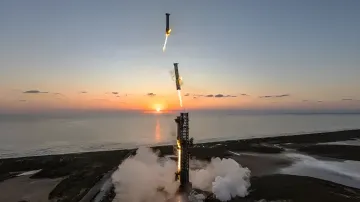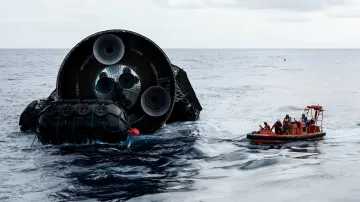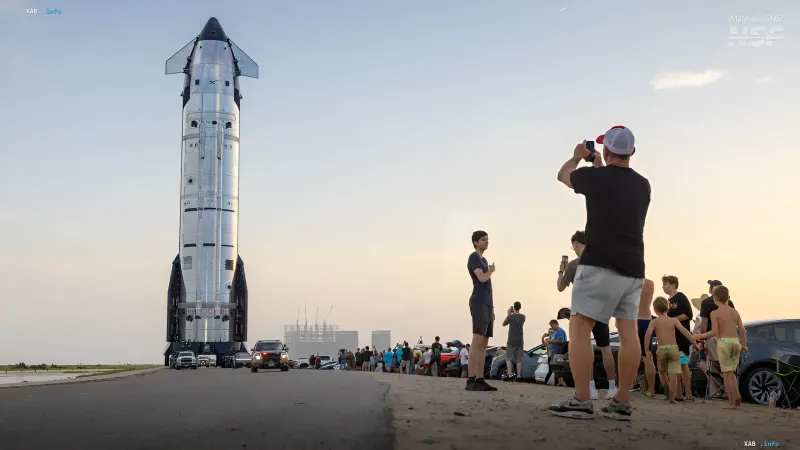
In Texas, at the Starbase launch site, a key stage of preparation for one of the most anticipated events in modern spaceflight has been completed. SpaceX, founded by Elon Musk, has successfully mated the Starship spacecraft (version 40) with the Super Heavy booster (version 20), placing the massive structure in a pre-launch state.
This step paves the way for the 13th test flight of the most powerful rocket system in the history of space exploration. A successful mission will mark a significant milestone in the development of reusable spacecraft technology.
Technologies of the Future: The Role of 'Mechazilla'
The rocket assembly process was carried out using a unique engineering development—a special tower known as 'Mechazilla'. According to NASA and SpaceX, the mechanical 'arms' of this structure not only lifted and connected the rocket stages but also demonstrated the system's potential for future in-flight capture of returning boosters.
The use of 'Mechazilla' underscores SpaceX's strategic leadership in creating fully reusable systems capable of radically changing the economics of space launches.
Launch Schedule and Mission Objectives
The official launch window for the 13th test flight will open on July 16 at 17:45 local time in Texas. For viewers in Uzbekistan, the event will take place in the morning of July 17. The preparation window will last 90 minutes.
During this flight, SpaceX specialists plan to perform a series of complex technical tasks aimed at testing the reliability of the spacecraft and booster systems under real-world conditions.
Global Significance of the Project
The success of the Starship project goes beyond technical testing. For countries in Central Asia, including Uzbekistan, the implementation of this project has direct economic significance. The large-scale deployment of satellite constellations in orbit using Starship could significantly reduce the cost of access to satellite communications and expand global internet coverage in remote regions.
Furthermore, every successful launch brings humanity closer to the company's ambitious goals—creating infrastructure for crewed missions to the Moon and Mars.