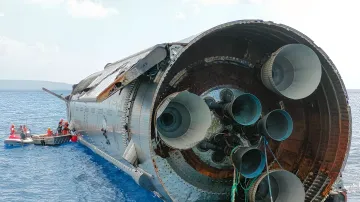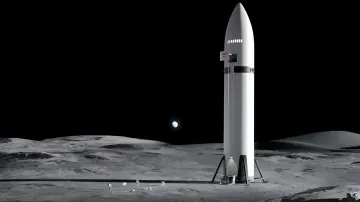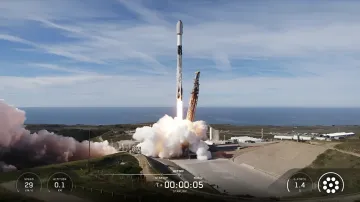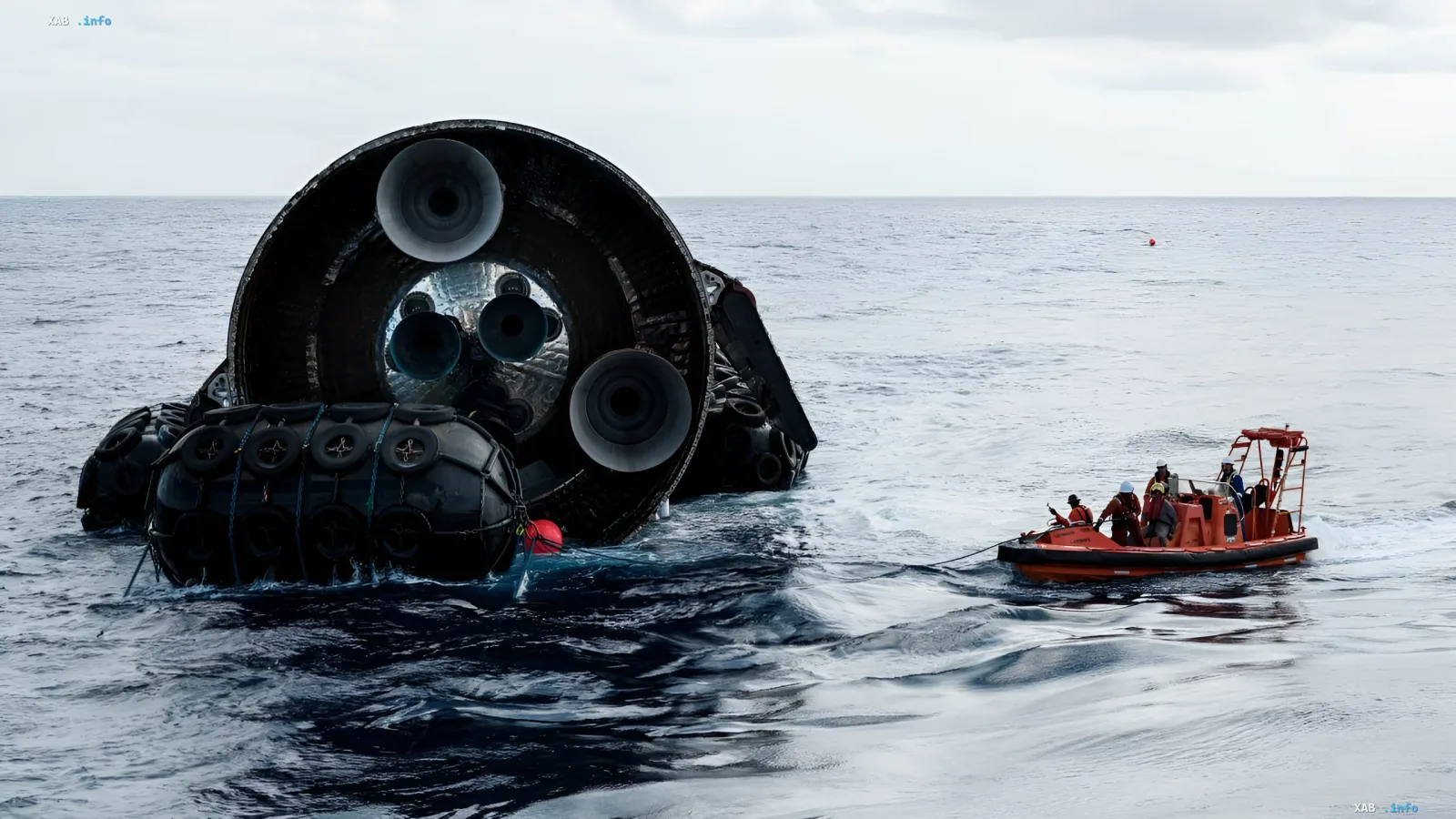
In the history of space exploration, an unprecedented event has occurred that could revolutionize the concept of reusable launch vehicles. SpaceX is conducting a highly complex operation to rescue and tow the Starship prototype (Ship 40), which maintained its integrity after a soft splashdown in the open ocean. This event, made possible by the successful Flight 13 test launch, opens new horizons for engineering but also presents Elon Musk's engineers with new, severe challenges.
Historic Flight and Soft Splashdown
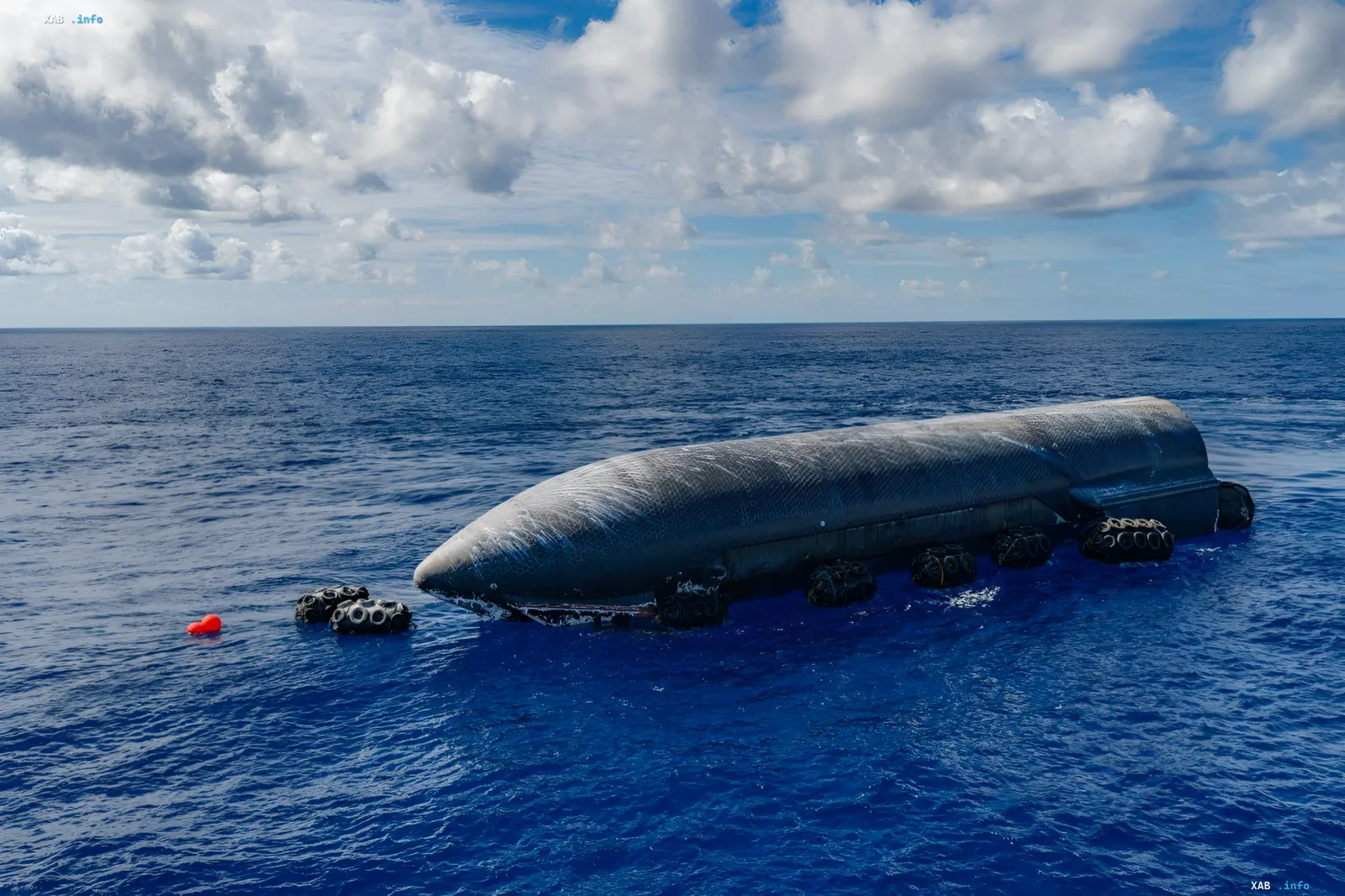
It all began on July 24, 2026, when, as part of the Flight 13 test mission, the Starship spacecraft's upper stage performed a planned splashdown in the waters of the Indian Ocean. Unlike previous tests where the vehicle often crashed into the water, engineers managed to ensure a soft contact with the surface this time. The Ship 40 prototype remained afloat, marking a true triumph for the SpaceX team and confirming the functionality of new control and heat shield systems.
Company specialists immediately dispatched tugboats and support vessels to the object's location. Their task is to secure the hull of the giant stage and transport it to the nearest port for detailed engineering analysis. The success of this operation will allow for the study of the heat shield and engine compartment condition after a real atmospheric entry.
Battle with the Elements: Elon Musk's Comment
However, as is often the case in the space industry, success was overshadowed by unpredictable weather. On August 7, 2026, SpaceX founder Elon Musk commented on the progress of the rescue efforts, warning of critical difficulties. According to him, the prospects for the full recovery and towing of the ship are assessed as difficult due to a sharp deterioration of weather conditions in the ocean.
"The prospects for full recovery and towing of the ship are assessed as difficult due to worsening weather conditions in the ocean," Musk stated. Stormy conditions pose a threat not only to the ship itself but also to the rescue vessels attempting to hold the multi-ton structure against drifting and damage from waves.
Contradictory Data
Despite optimistic statements that the ship is "afloat," disagreements are arising within the expert community and among sources tracking the situation regarding the chances of its successful return to land. On one hand, official SpaceX data confirms that Ship 40 continues to stay afloat and tugs have already approached it. On the other hand, some analysts, citing satellite monitoring data and weather reports, express doubt that the ship will survive the storm and be delivered to port without serious damage.
In the opinion of skeptics, even if the ship remains afloat, its structure may be so weakened by the impact of water and waves that towing could lead to its disintegration. Nevertheless, SpaceX representatives continue their work, and despite the difficulties, search team specialists have already managed to take detailed photos of the ship's heat shield and engine compartment, which had been in the water for over two weeks.
Significance for the Future of Space Programs
The success of this operation would have colossal significance for the entire space industry. The ability to retrieve and reuse rocket upper stages that have splashdown in the ocean could radically reduce the cost of space launches and accelerate the implementation of ambitious projects, such as the colonization of Mars. Even if Ship 40 is not fully saved, the data obtained on its behavior in water and condition after flight will become invaluable experience for future missions.
At the moment, official representatives of rescue services and regional maritime authorities have not provided additional comments on the progress of the object's transport. The whole world awaits news on whether SpaceX can overcome the elements and return its prototype to land.