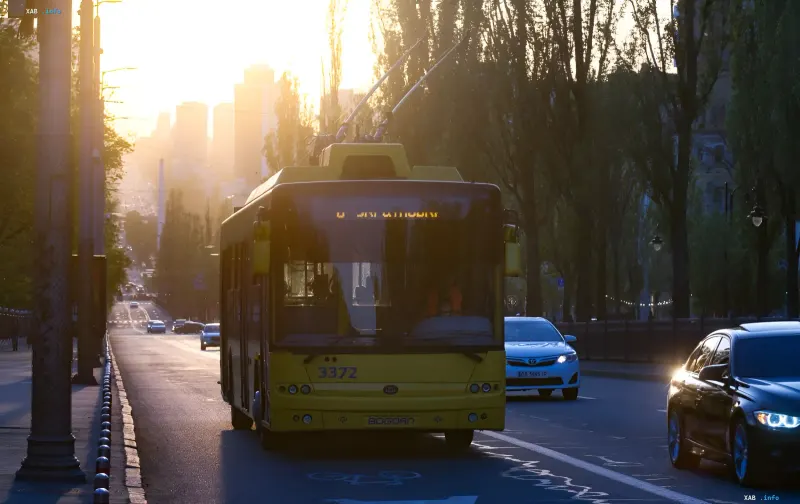
On the morning of September 29, 2026, the capital of Ukraine faced large-scale transport disruptions caused by another combined air attack. According to the Kyiv City State Administration, the city temporarily suspended the operation of the urban train, while dozens of public transport routes adjusted their schedules.
Timeline of Transport Collapse and Grid Damage
At around 06:17 AM, Kyiv City Express train operations in both directions were completely suspended due to an increased air threat. In addition, serious damage to the overhead contact network was recorded on Stepan Bandera Avenue. As a result, trolleybuses No. 29, 30, 31, 34, 37, 44, and 47 began operating with significant delays. To minimize inconvenience, specialized services launched a temporary bus route No. 31k, running from Radunska Street to the Pochaina metro station.
Consequences of Night Strikes and Street Closures
Another problematic location was Zhylianska Street, where traffic was completely blocked due to the operational situation. This led to disruptions in the operation of trolleybuses No. 3, 12, 14, and bus route No. 69. The nighttime ballistic missile strike caused destruction and fires in the Solomianskyi and Pecherskyi districts of the capital, as well as damage to infrastructure facilities and residential buildings, directly affecting the metropolis's transport logistics.
Contradictory Data
While official morning reports from the Kyiv City State Administration and operational services reported temporary suspensions and delays on a number of lines, conflicting data regarding the timeline for traffic restoration appeared in the media space. Some sources claimed the ring train resumed operation within the first hours after the alert was lifted, while passengers on the ground continued to report delays and schedule adjustments for ground electric transport due to ongoing repair work on contact networks.