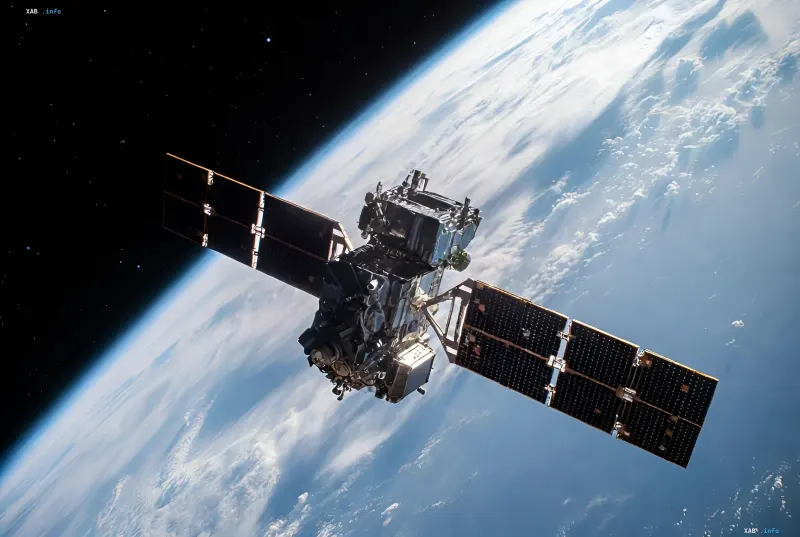
According to astrophysicist Jonathan McDowell, two spacecraft from Russia's Rassevet internet constellation failed to perform orbit-raising maneuvers and dropped below the 230 km mark. At this altitude, atmospheric drag is significant enough to cause the vehicles to de-orbit and burn up in the dense layers of the atmosphere within the next 24 to 48 hours. Both problematic satellites are part of the second batch of 16 Rassevet-3 spacecraft, which Bureau 1440 launched into orbit on July 19, 2026, using a Soyuz-2.1b rocket from the Plesetsk Cosmodrome.
Chronology: From Launch to Orbital Decay
Tracking services detected an anomaly as early as late August 2026: two spacecraft from the second batch began descending without ever executing maneuvers to reach their operational altitude. Since then, their orbit has continued to degrade, and currently, their altitude has fallen below 230 km. If the de-orbit is confirmed, the total number of defunct satellites in the constellation will reach three out of 32 launched. The first Rassevet spacecraft de-orbited in June 2026, having also failed to perform any maneuvers after being placed into orbit on March 23.
Constellation Status According to Tracking Data
According to McDowell's assessment, most of the remaining spacecraft in the second batch have instead stabilized at an operational altitude of about 500 km. Thus, a discrepancy in dynamics is observed within the same batch: some satellites reached their target orbit, while two went onto a de-orbit trajectory. Certain publications and analytical centers offer a more pessimistic assessment, pointing out that the second batch as a whole failed to reach its planned working orbit; these data diverge from orbital tracking results showing the stabilization of most vehicles.
Project Context and Official Statements
Rassevet is being developed by the private company Bureau 1440 and is intended to provide satellite internet across Russia, including hard-to-reach regions. At an exhibition during the Russia–Africa summit, President Vladimir Putin called the system a "first step" in creating a domestic counterpart to Starlink, noting that local specialists are working on it independently while Moscow maintains contact with American partners, including Elon Musk. Partial commercial service is planned to begin in 2027, according to company schedules.
Plans for Constellation Expansion
Bureau 1440 expects to expand the constellation to 292 satellites by the end of 2027 and to 900 spacecraft by 2035. The loss of two spacecraft from the second batch at the current launch rate does not alter the target indicators, but it highlights the technical complexities of placing satellites into low operational orbits and executing subsequent maneuvers. The actual status of the constellation and the timeline for launching commercial service will depend on the results of subsequent launches and the success of delivering spacecraft to their target altitude.