On the night of 18 September 2026, the Defence Forces of Ukraine carried out a massive attack on Russian territory, during which, according to available data, targets in 20 regions of the country were struck or shelled. This is reported by RBC-Ukraine, citing a statement from the Russian Ministry of Defence. The Russian defence department confirmed that during the night its air defence forces attempted to repel a large-scale aerial attack; as in previous cases, the exact number of drones used was not officially disclosed.
Scale of the claims: 641 intercepted UAVs
According to the text of the Russian MoD statement, Russian air defence allegedly intercepted and destroyed 641 Ukrainian fixed-wing unmanned aerial vehicles. The wording of the department suggests that hundreds of units are involved, however there is currently no independent verification of this figure. It is important to note that a claim of "interception" is not equivalent to confirmation that exactly that number of devices was actually deployed: by the logic of the text itself, some of them may have been hit on approach, while others never reached their targets.
Rostov: explosions, fire and a probable strike on an airfield
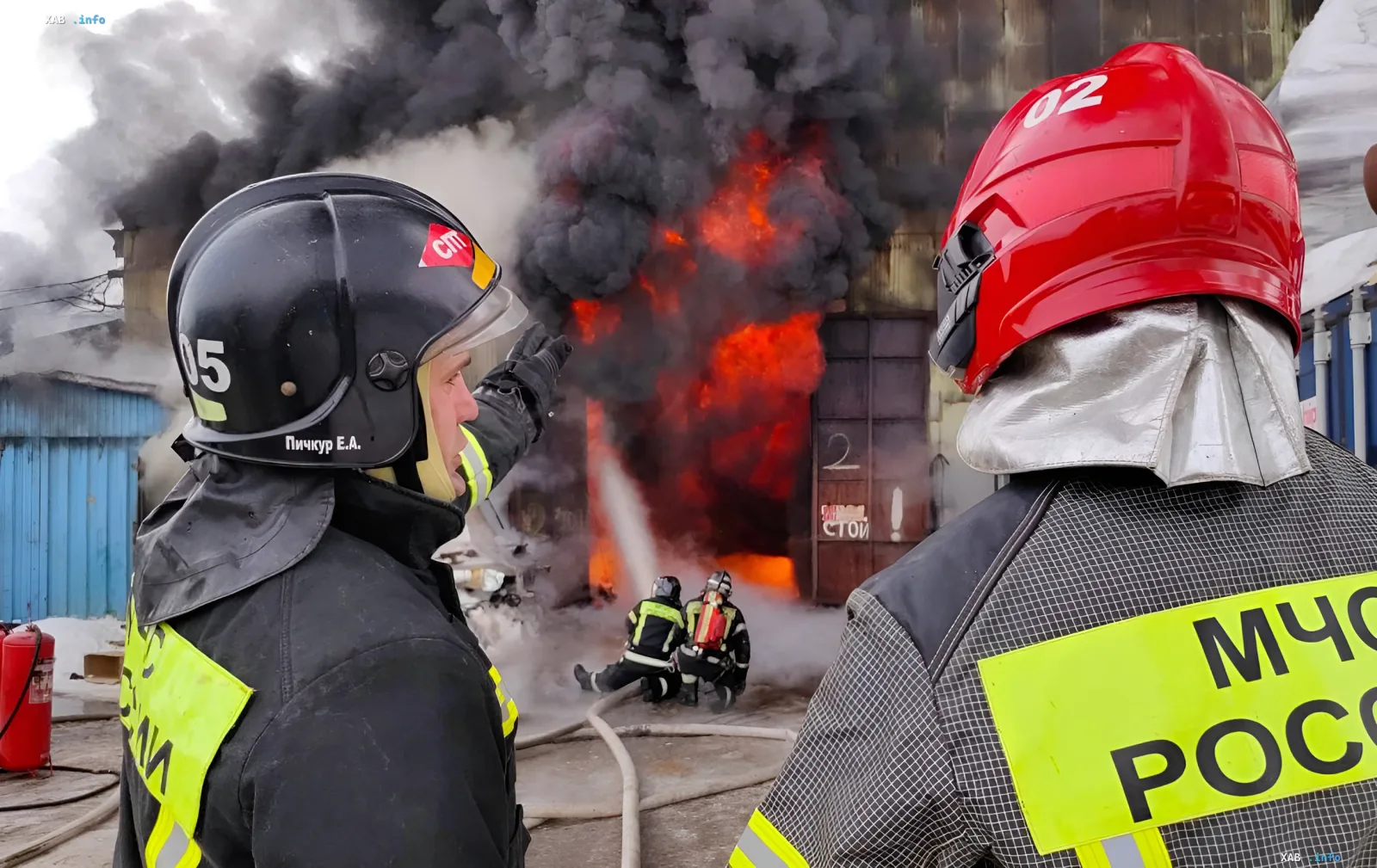
Witnesses in the Russian city of Rostov-on-Don recorded loud explosions and a large-scale fire. According to the latest data, the probable target of the strike this time was a military airfield, and subsequently, reportedly, a secondary detonation occurred on the site. As of the preparation of this material, this information is based on witness reports and has not been officially confirmed by either side.
Yaroslavl: the Slavneft-YANOS refinery in the crosshairs
Information is also circulating online that one of the targets of the Defence Forces of Ukraine last night was the Slavneft-YANOS refinery in Yaroslavl. This is the largest plant in northern Russia and one of the country's leaders in primary oil refining, with an annual capacity of around 15 million tonnes. As of publication, no official confirmation of the facility being hit had been received.
Contradictory data
There are several inconsistencies here that are important to keep in mind. First, the Russian MoD claims to have intercepted 641 UAVs, yet it does not disclose the actual number of devices deployed, leaving the "launched — intercepted" ratio unverifiable. Second, reports of a military airfield in Rostov and a refinery in Yaroslavl being hit are presented as probable and are based on witness and online reports, rather than official confirmations. Third, during the same period the reverse dynamic is also recorded: according to Ukrainian sources, Russia also attacked western regions of Ukraine with hundreds of drones on the night of 18 September, creating a picture of mutual massive strikes and complicating the unambiguous attribution of each specific incident.
Context: mutual massive attacks
The 18 September attack fits into the broader context of ongoing mutual strikes. In parallel with the night attack on Russia, Ukrainian sources reported a massive attack by Russian drones on western Ukraine, and in Zaporizhzhia Oblast, according to the governor, around 400 drones were destroyed and suppressed within 24 hours. Thus, the night of 18 September became yet another episode of intense exchange of strikes by both sides, in which both aerial attacks and the fight for infrastructure and military facilities remain key.