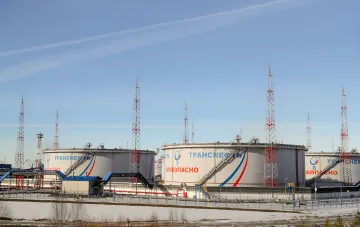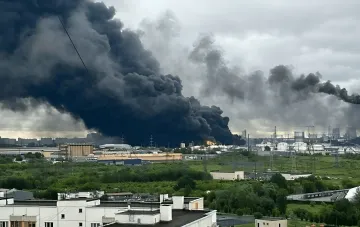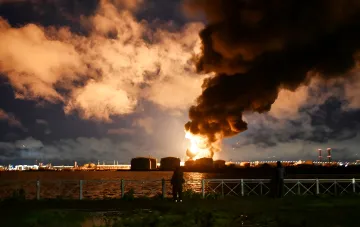
In the early hours of November 13, 2026, the Ukrainian military launched strikes on two strategically important targets in Russian territory: the Samara linear production and dispatching station in the Samara Oblast and the Lipetsk-2 military airfield in the Lipetsk Oblast. RBC-Ukraine reported this, citing the General Staff of the Armed Forces of Ukraine. According to the agency, a fire broke out at the Samara facility following the attack, with several oil storage tanks catching fire, while at the Lipetsk airfield, a hangar housing special equipment, an aviation fuel storage tank, and the central command and control tower were hit.
Samara Station: A Hub Vital to Half of Russia's Oil Exports
The Samara linear production and dispatching station, located near the village of Prosvet in the Samara Oblast, is a critical element of Russia's oil infrastructure. Crude oil from Tatarstan, Western Siberia, and other oil-producing regions is piped here through trunk pipelines. It is at this facility that oil is blended and formulated into the Urals export grade, which is estimated to account for up to half of all Russian oil exports. Damage to the station has the potential to disrupt one of the primary channels feeding hard currency into the Russian budget—the very funds used to finance the war machine.
Lipetsk-2 Airfield: Strike on Aviation Infrastructure
The second outcome of the nighttime operation confirmed by the General Staff of the Armed Forces of Ukraine was the strike on the Lipetsk-2 military airfield in the Lipetsk Oblast, where Russian military aviation is based. According to the agency's statement, the strike damaged a hangar storing specialized aircraft maintenance equipment, an aviation fuel storage tank, and the central command and dispatching point. The destruction or damage of these facilities could temporarily reduce the operational readiness of the aviation units stationed there.
Rostov-on-Don: Neptune Missiles Strike Strike Drone Production
On the same night, November 13, the Ukrainian military attacked Russian army facilities in Rostov-on-Don. Neptune missiles struck the production facility for 'Ionos' strike drones, the enterprise's drone warehouse, and the service center of Aero-Hit, a company that repairs and maintains UAVs for frontline needs. Thus, the strikes targeted three links in the drone supply chain simultaneously: production, storage, and maintenance.
Context: A Wave of Refinery Attacks Since Early November
The nighttime strikes on November 13 continued a broader campaign targeting Russian energy and military infrastructure. Since the beginning of November 2026, five of Russia's largest oil refineries have come under attack: Omsk, Kinef (Kirishi), Ryazan, Nizhny Novgorod, and Yaroslavl. According to the logic of the General Staff of the Armed Forces of Ukraine, the combined impact of these strikes aims to reduce Russian budget revenues and degrade the supply chains supporting the military operation.
Economic Significance of the Strikes
The blending of the Urals export grade at the Samara station is a process that governs the pricing and volume of Russian oil supplies to global markets. Even a temporary disruption in the facility's operations could affect logistics and batch blending, which, amid Russia's already diminished export potential, could increase pressure on budget revenues. Combined with a series of strikes on refineries and military facilities in the Lipetsk and Rostov regions, the nighttime operation on November 13 demonstrates the expansion of both the geography and range of targets deemed priorities for destruction by the Ukrainian military.