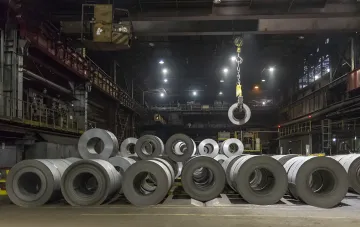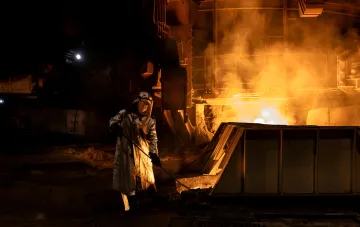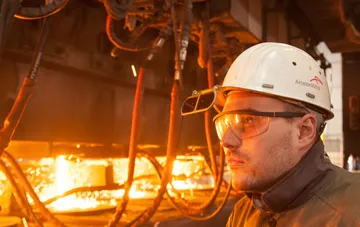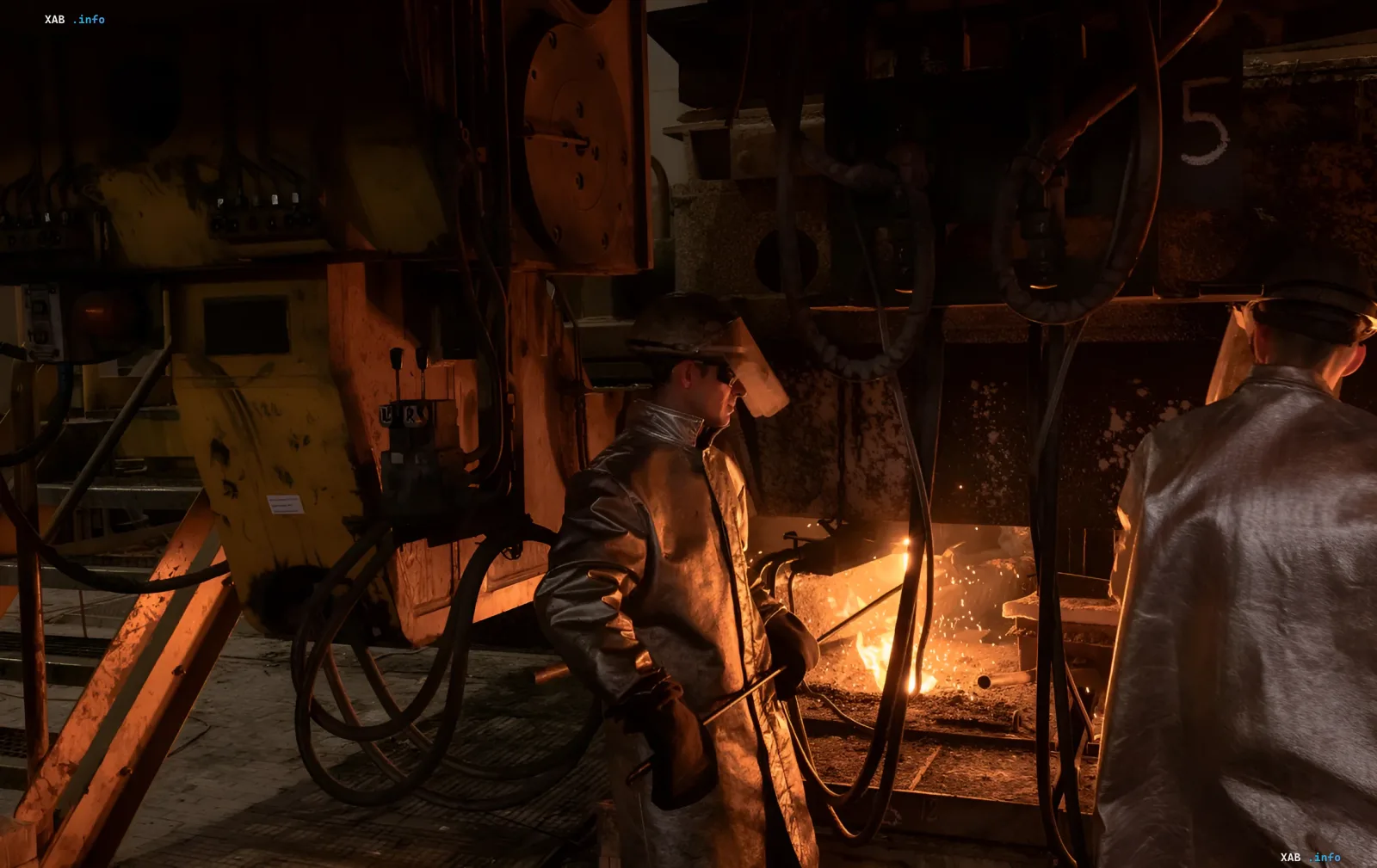
In the summer of 2026, Ukraine's mining and metallurgical complex came under simultaneous pressure from several factors: Russian strikes on major enterprises, the closure of the Greater Odesa ports, new EU export quotas, the introduction of the CBAM carbon levy, high electricity prices, and a 30% increase in Ukrainian Railways (Ukrzaliznytsia) freight tariffs. According to industry estimates, the issue is no longer about recovery but about the risk of losing an entire sector, so decisions are needed at the state level. This is reported by RBC-Ukraine, citing a publication by Delo.ua.
A multiple blow: from Russian attacks to EU quotas
According to GMK Center estimates, the new EU quotas have reduced Ukraine's export potential by approximately 60%. This could lead to a 35–40% decline in flat-rolled steel production and roughly a 25% decline in long products. Due to the restrictions, the industry has already lost about 1.5 million tonnes of potential exports. The introduction of the CBAM carbon levy has become an additional barrier: under wartime conditions, Ukrainian enterprises have limited ability to invest in the decarbonization required for compliance.
July figures: production is falling faster than it appears
In July 2026, pig iron production in Ukraine fell by 37.6% year on year — to 432,200 tonnes. Steel production declined by 21.3% — to 457,000 tonnes, while rolled products fell by 30.7%, to 382,700 tonnes. At the same time, as the authors of the material emphasize, these figures do not yet fully reflect the consequences of the closure of the Greater Odesa ports in August and Russian strikes on major enterprises, in particular Metinvest's Zaporizhstal and ArcelorMittal Kryvyi Rih.
Logistical collapse: ports, Gdansk and doubled tariffs
The biggest logistical blow was the closure of the Greater Odesa ports. According to Andrii Tarasenko, chief analyst at GMK Center, delivering billets via Gdansk costs about $50–60 per tonne; with the world price of ore around $93–97, such logistics make a significant portion of exports economically unviable. The Danube ports and western border crossings cannot fully replace the sea routes — according to Oleksandr Kalyenkov, president of the Ukrainian Metallurgical Prom (Ukrmetallurgprom), they can handle at most 20–25% of the required volumes. The situation is compounded by high electricity prices (around €300 per MWh in certain periods, versus €50–60 for European competitors) and the August 30% increase in Ukrzaliznytsia freight tariffs, which has effectively doubled domestic logistics costs for some enterprises.
Contradictory data
Different assessments of the scale of the threat are circulating in the public domain. Oleksandr Kalyenkov acknowledges that, by the end of 2026, the decline in industry production could be no less than 50%. At the same time, a number of Ukrainian media outlets (including Obozrevatel and TSN) speak in their headlines of a threat to 72% of steel production. These figures reflect different methodologies: the first is a forecast of annual production dynamics based on the industry association's assessment, the second is an estimate of the share of production capacity placed under direct risk of shutdown. Neither version refutes the other; however, for decision-making it is important that both point to a systemic, rather than isolated, nature of the crisis.
What the industry is demanding from the state
The industry names the restoration of safe operations at the sea ports as the top-priority measure. The second area is negotiations with the EU to raise quotas to the level of actual exports in 2024–2025, as well as a temporary easing of CBAM and trade restrictions. The third is reducing the logistical and energy burden: revising the 30% increase in Ukrzaliznytsia tariffs, supporting the railway and energy sectors with partners' funds, and restoring "chains of solidarity" for the transit of Ukrainian cargo to EU ports. In addition, the industry needs war-risk insurance and external financing. The domestic market cannot compensate for the loss of exports: about three-quarters of the metallurgy is oriented toward external markets, and over seven months, imports of metal products grew by 23.2%, with their share of the domestic market reaching 46.1%.
The price tag: up to €10 billion
According to the authors of the material, preserving the enterprises and their workforces may require anywhere from several to €10 billion in additional support. This would allow the metallurgy to operate for another 1.5–2 years and avoid mass shutdowns. Previously, the Federation of Metallurgists of Ukraine had already called on the government to take urgent measures to preserve the industry, warning of the risk of enterprise shutdowns, job losses, reduced tax revenues, and a weakening of the country's defense capabilities.