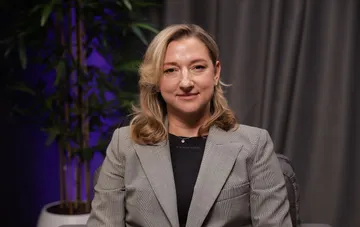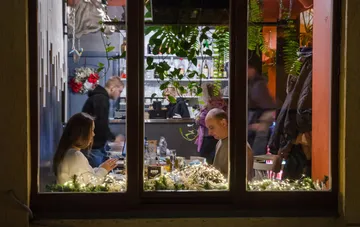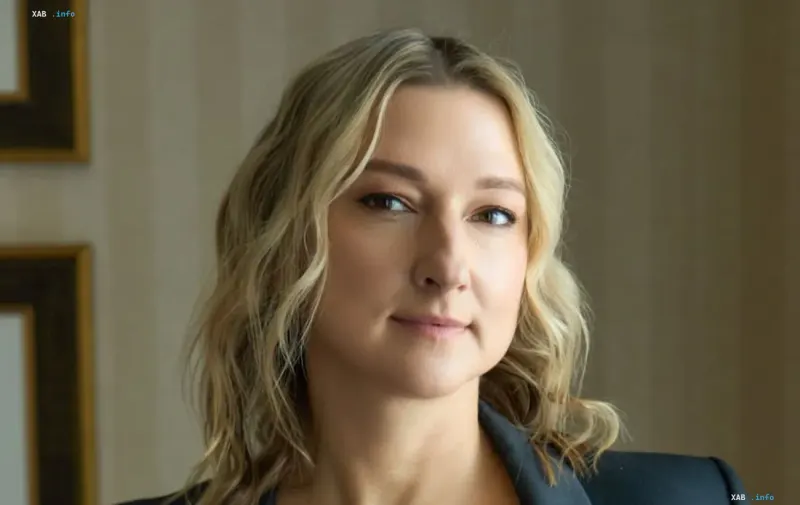
Ukraine's restaurant business is undergoing a deep transformation in consumer behavior. According to Elena Borisova, CEO of one of the country's largest restaurant chains, GastroFamily, Ukrainians continue to visit establishments, but the nature of these visits has changed fundamentally. In an interview with the lifestyle project Wave RBC.UA, Borisova described a shift that she links to people's attempt to preserve at least fragments of their pre-war everyday life. "I love people, so I can only speak positively," she noted, emphasizing that guests still come because they need "a small flashback to a past without war."
The Check Has Shrunk, and So Has Frequency
The specific figures cited by Borisova paint a clear picture of cost-cutting. If the average guest check previously included three items, it now includes two. Visitors more often skip "non-essential" dishes: dessert, an extra glass of a drink. Visit frequency has changed as well: where a person used to drop into a restaurant three times a week just recently, a visit has now become a rare event — once a week or on some special occasion. That said, in the CEO of GastroFamily's assessment, people "still go," which indicates that baseline demand for restaurant service persists even amid the war.
The Restaurant as a Ritual and an Anchor of Familiar Life
Borisova stressed that for Ukrainians a visit to a restaurant long ceased to be merely an act of eating. Restaurants serve as an emotional anchor: they help briefly restore a sense of familiar life and preserve personal rituals and traditions that become especially valuable under conditions of constant stress. It is precisely this psychological need, she says, that keeps the flow of guests coming, even when economic logic dictates cutting spending. "People will always go," Borisova is convinced, while acknowledging that the scale of this "always" is now different from what it was before 2022.
Winter as the Main Trial: Generators Are No Panacea
Despite sustained demand, the upcoming winter season remains a serious challenge for the industry. Borisova stated outright that she "honestly doesn't know how we'll get through it," and expressed hope that the company's internal plan will work. The previous winter, she said, turned out worse than forecasts: establishments expected to run on generators, but with indoor temperatures around +8 °C, guests sit in their coats, making the venue "certainly not the first place you'd head to in the cold." Meanwhile, rent and salaries keep accruing regardless of occupancy, turning severe frosts and possible heating disruptions into a trial no less severe than power outages.
Contradictory Data
No significant discrepancies in figures or dates were found in the provided sources. However, it is worth noting that all the estimates cited (the check shrinking from three items to two, the frequency dropping from three visits a week to one) are subjective observations by the CEO of one specific chain and are not backed by industry statistics or independent surveys. At the same time, Borisova simultaneously claims that "people will always go" and acknowledges that the coming winter could be critical — these two theses coexist in her statement without an explicit resolution of the contradiction between demand resilience and the risk of seasonal infrastructure collapse.
What's Next for GastroFamily and the Industry as a Whole
Borisova did not disclose the details of the internal plan that GastroFamily has prepared for the 2026/2027 winter, limiting herself to stating that the company "came up with something" and hopes it will be effective. For the broader market, her words serve as an indicator: Ukraine's restaurant business is entering yet another winter season under dual pressure — from the squeezed consumer check and from energy instability. The industry's ability to keep guests in conditions where a venue cannot guarantee a comfortable temperature will become the key survival factor in the coming months.