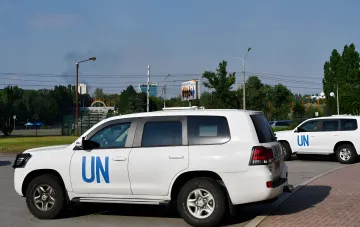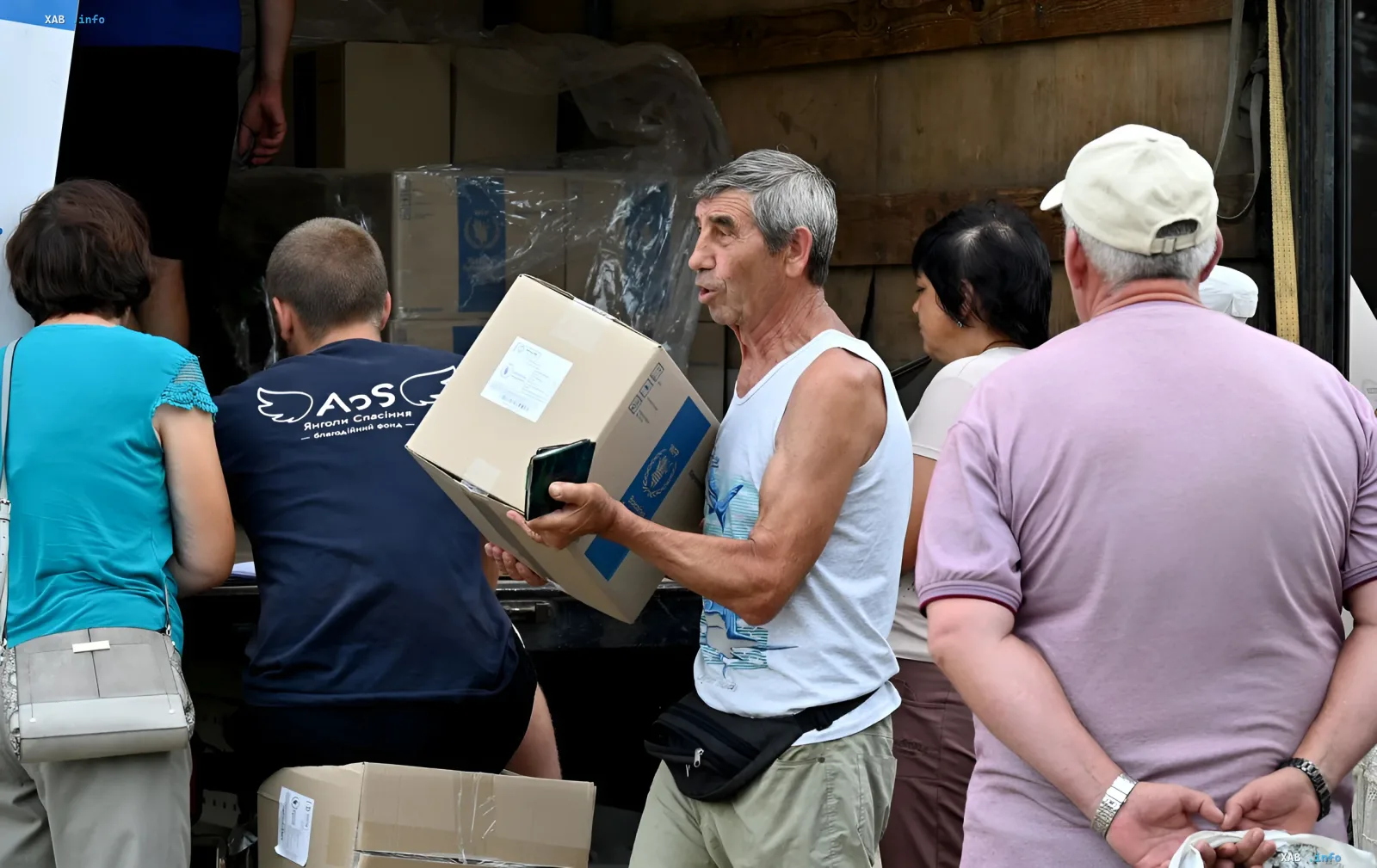
The UN humanitarian coordinator in Ukraine stated that the organization is considering a fundamental change in its approach to storing humanitarian aid within the country. According to him, against the backdrop of a series of Russian strikes on UN convoys and warehouses, the organization is forced to seek ways to protect its supplies from further attacks. The main option under discussion is the relocation of humanitarian cargo into underground facilities, which are less susceptible to destruction during aerial strikes. The decision to switch to such a storage format is at the stage of being worked out and has not been finally adopted.
Scale of losses to humanitarian infrastructure
According to UN data, since the beginning of 2026, ten of the organization's warehouses, which stored humanitarian aid, have been completely destroyed as a result of Russian strikes. The value of the destroyed cargo is estimated at millions of dollars. These losses were the direct trigger for a review of the logistics strategy: the organization acknowledged that traditional above-ground warehouse complexes do not provide a sufficient level of protection in the face of ongoing attacks. The transition to underground storage is being considered as a measure capable of minimizing the risk of similar losses in the future.
Impact on the 2026 budget
The particular acuteness of the situation is underscored by the fact that the losses suffered by the UN's humanitarian infrastructure were not provided for in the organization's aid budget for 2026, the total volume of which is $2.3 billion. This means that restoring the destroyed warehouses and replenishing the destroyed supplies will require additional funds that are not included in the current financial plan. In a situation where every unit of aid is critically important for the population, unforeseen expenses on restoring logistics create additional pressure on the already limited resources of the program.
Warning of the 'hardest winter'
Earlier, the UN warned that the coming winter could be the hardest for Ukraine since the start of the full-scale war. Russian strikes on energy infrastructure create a real threat that millions of people will be left without electricity, heating, and water supply. In the low winter temperatures, such a situation could escalate into a full-fledged humanitarian catastrophe, which would multiply the need for humanitarian aid and, accordingly, for reliable mechanisms for its storage and distribution.
Threat to global food security
In addition to the direct consequences for the population of Ukraine, the UN also acknowledged that Russian attacks on port infrastructure and vessels pose a threat to global food security. The disruption of supply chains for grain and other agricultural products from the Ukrainian market affects prices and food availability in other countries, especially in vulnerable regions. Thus, strikes on Ukraine's humanitarian and logistics infrastructure have an effect that extends far beyond national borders.