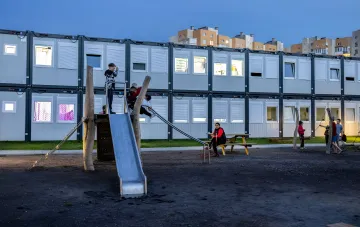
For millions of Ukrainians forced to leave their homes due to the war, the issue of paying utility bills has become one of the main household problems. It turns out that the law provides for the possibility of legally not paying for certain services if a person does not reside in the housing for more than 30 days. This is reported by RBC-Ukraine, citing a post by Olga Altunina, a representative of the Commissioner of the Verkhovna Rada for the Protection of the Rights of Victims of Armed Aggression.
What you don't have to pay for if you have left
The law clearly defines the list of services for which payment can be suspended in the absence from the residential premises for more than 30 calendar days. This concerns:
- supply and distribution of natural gas;
- electricity;
- hot water supply;
- centralized water supply and sewage;
- household waste management.
However, there is an important exception: heating must be paid for even when no one lives in the apartment or house. The exception is if the housing has been destroyed or declared unfit for habitation: in that case, the accrual of payments for all housing and communal services ceases completely.
Ban on debt collection from refugees
Another important aspect is the ban on collecting arrears for housing and communal services if they were formed after February 24, 2022, in territories where combat operations are taking place or have taken place, and the consumer left the housing due to the war and has confirmed this in writing.
IDP certificate: no need to change
Let us remind you that the IDP certificate does not currently need to be changed, and re-registering is even less advisable, despite the adoption of the new law on displaced persons. In July, the Cabinet of Ministers also updated the procedure for the functioning of temporary residence places for IDPs — the conditions for settlement, housing monitoring, and grounds for eviction have changed.
Problems for "old" displaced persons
In addition, families who received IDP status back in 2014 but did not move again after the full-scale invasion may face a refusal to appoint child benefits. This creates additional difficulties for those who have already lived in the status of a displaced person for several years but do not fall under the new support criteria.