During martial law in Ukraine, the dissemination of information regarding the location and movement of military personnel, equipment, and defense objects is strictly prohibited, with such actions carrying criminal liability of up to 12 years in prison. This was reported by RBC-Ukraine, citing an explanation from the Ministry of Defense of Ukraine. The agency systematized which materials and distribution channels fall under these restrictions and reminded citizens of the official sources they should rely on.
Legal Basis for the Restrictions
According to the Ministry of Defense, the primary restrictions are defined by Article 114-2 of the Criminal Code of Ukraine and Order No. 73 of the Commander-in-Chief of the Armed Forces of Ukraine dated March 3, 2022. They apply to information that could help the enemy determine the whereabouts of Ukrainian troops or learn about the actions of the Defense Forces. The agency emphasizes that liability under Article 114-2 can arise simply from the unauthorized dissemination of information if it has not been previously published by authorized state bodies — and proving that the data actually reached the enemy is not required to trigger liability.
What Details in Photos and Videos Are Dangerous
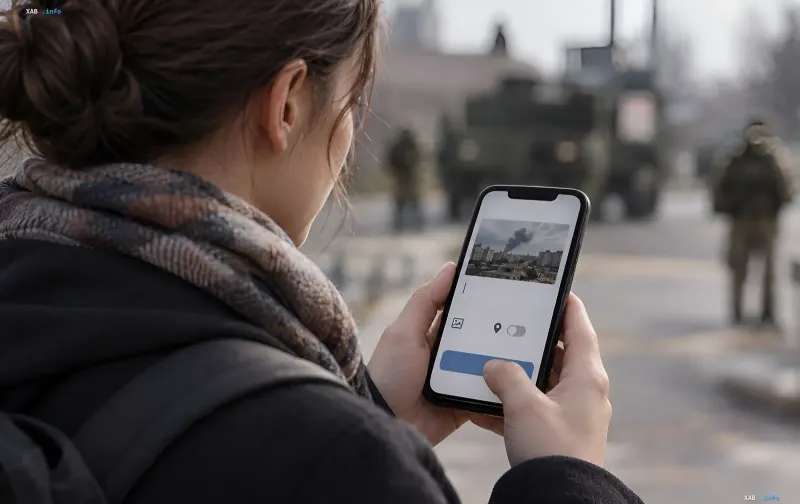
The explanation notes that even indirect details in photos or videos can pose a danger: road signs, street names, distinctive buildings, landscape panoramas, and geotags. Combined, such elements can allow the exact location of military units to be pinpointed. The agency specifically points out the risk of accidental shots that reveal positions or determine the whereabouts of units, even if a photograph seems ordinary at first glance.
Where Publication Is Forbidden: Not Just Media Outlets
As the Ministry of Defense explains, the restrictions apply not only to mass media. The dissemination of sensitive information is prohibited via Facebook, Instagram, TikTok, Telegram, and other social networks, as well as through private and group chats, forums, video platforms, and even in the form of verbal messages to third parties. Thus, the transmission channel does not matter — both public publication and forwarding in personal correspondence fall under the restriction.
Real-Time Mode and Reposts
According to the agency, publications in real-time pose a particular danger because they can help the enemy quickly determine targets and adjust fire. The Ministry of Defense also warns that reposting information does not become safe simply because it has already appeared online: unofficial messages containing sensitive data do not become legal to copy, forward, or repost. Citizens should look to official announcements from the General Staff of the Armed Forces, the Ministry of Defense, the SBU, and other authorized state bodies.
Liability: Sentences and Criminal Code Articles
Article 114-2 of the Criminal Code provides for various prison terms depending on the nature of the violation; overall, disseminating prohibited information during martial law carries up to 12 years of imprisonment. If the case involves the disclosure of information constituting a state secret, other articles of the Criminal Code may also apply — specifically, Articles 328 and 422.
Footage from Strike Sites: SBU and Ministry of Energy Position
Recall that earlier, the Security Service of Ukraine (SBU) and the Ministry of Energy also urged citizens not to publish photos and videos from the sites of Russian strikes. The agencies explained that such materials can contain precise object coordinates, information on the scale of damage and restoration progress, and assist the Russian military in adjusting subsequent attacks. The Ministry of Energy emphasized that publishing footage from impact sites can endanger repair crews and complicate the restoration of energy infrastructure.