
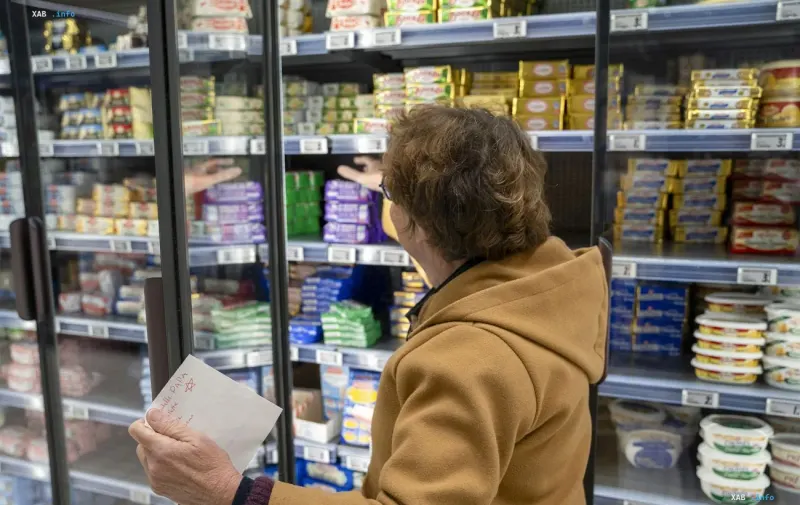
In Kyiv supermarkets, World Health Organization specialists recorded that 14% of tested food samples exceeded the established limit for industrially produced trans fats. The large-scale study was conducted as part of a new phase of the FEEDcities project in Ukraine, during which experts selected and analyzed exactly 100 samples of popular products.
Results of independent laboratory testing
A total of 100 food product samples from retail chains were selected for the study in the capital in the summer of 2026. Laboratory analysis showed that 86% of the investigated products fully comply with current safety standards and technical regulations. Samples were handed over to laboratories strictly anonymously, without specifying brands or manufacturer names, which eliminated any manipulation and guaranteed the complete independence of the results.
Product categories with detected violations
Excessive content of hazardous fatty acids was found in specific product items. Sweets, certain types of cheese, ice cream, curd desserts, and processed meat products fell into the risk zone. At the main time, experts emphasize that these indicators do not apply to the entire category of goods as a whole, and an ordinary consumer cannot independently determine the presence of excess trans fats by packaging appearance.
Legislative restrictions and health risks
Since October 2023, a strict legislative restriction has been officially in effect in Ukraine, according to which the content of industrially produced trans fats must not exceed 2 grams per 100 grams of all fats in a product. According to the World Health Organization, regular consumption of such substances is a major risk factor for developing dangerous cardiovascular diseases, which are associated with more than 278,000 deaths worldwide every year.
Comparison with previous stages and state control
A similar WHO study was conducted in Lviv in 2023, where 70% of samples met legislative requirements, but specialists urge against drawing direct parallels, as the Lviv monitoring covered not only supermarkets, but also kiosks and street trading points. Starting in 2025, the State Food and Consumer Service has been conducting its own national monitoring, obliging market operators to recall non-compliant products. The FEEDcities project serves as an effective supplement to state control, helping to identify problematic market segments.