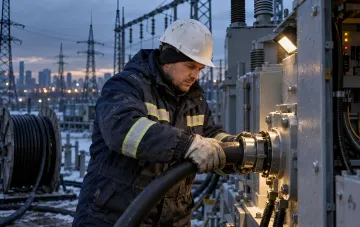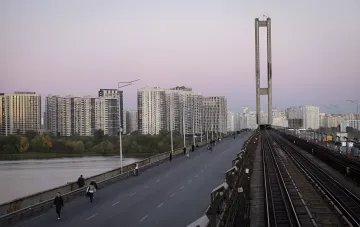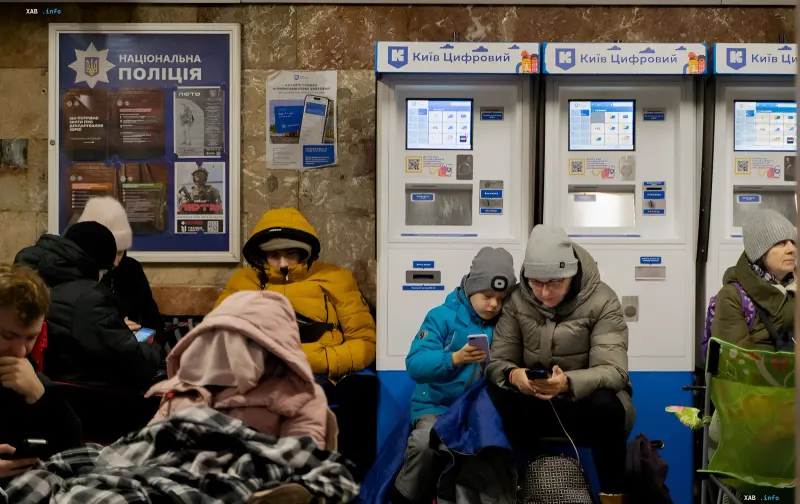
Kyiv is entering the new heating season in a fundamentally different condition than in previous years. Following a series of Russian strikes on energy infrastructure, the city has lost a significant portion of its own electricity generation, and heat supply was threatened even before the first real frosts set in. RBC-Ukraine sources from different political camps agree on one thing: preparations for the cold weather this year were more thorough, but the nature of the threats has changed, and previous response scenarios are no longer sufficient. As a result, according to sources, the capital may find it even harder than last winter.
New Challenges: Jet Drones and Anti-Ballistic Missile Shortages
The key difference between the current season and the previous one is not only the volume of damage, but also the range of weapons used by Russia. City services prepared for scenarios they had already faced before, but now the enemy's arsenal includes jet drones, and there remains an acute shortage of means to counter ballistic missiles. "We prepared for past challenges, but new ones emerged: jet drones, a shortage of anti-ballistic capabilities, and so on," one of the publication's sources states. This means that even with full preparation at the local and state levels, some of the necessary measures were physically not completed before the onset of the cold weather.
CHP-5, CHP-6, and Darnytsia CHP: Loss of Own Generation
One of the most vulnerable links in the capital's energy system remains its combined heat and power plants (CHPs). Before the Russian strikes, they not only provided Kyiv residents with heat but also generated significant amounts of electricity directly within the city. According to sources, CHP-5, CHP-6, and Darnytsia CHP ceased electricity production as a result of the shelling. This has led to Kyiv becoming much more dependent on power supplies from other regions through Ukraine's united energy grid. At the same time, the presence of electricity in the general grid does not guarantee its unobstructed delivery to the capital: this requires operational substations, which also regularly become targets of strikes and can fail at any moment.
The Metro as an Indicator: What Happened on October 8
Citizens already witnessed the practical consequences of energy supply problems on October 8, when the Kyiv metro temporarily stopped due to voltage drops at external power supply centers. A source from the publication explains that the metro consumes huge amounts of electricity, so during new attacks and sudden power deficits, it may be temporarily shut down to stabilize the energy system faster. Under conditions of critical power shortages, the metro essentially "goes dark" on its own. This means that if similar scenarios repeat, passengers may face prolonged traffic stoppages rather than short-term disruptions.
Heating: Backup Boiler Houses and the Capacity Issue
Equally serious risks are associated with heat supply. Kyiv's CHPs remain priority targets for Russian strikes, and new damage could jeopardize heat supplies to residential buildings. Backup boiler houses are supposed to take on part of the load, but not all facilities planned for operation are ready yet. Moreover, even the launch of all planned boiler houses does not guarantee that their capacity will be sufficient to maintain standard temperatures in apartments during severe frosts. In areas where centralized heating is unavailable, utility workers will try to connect buildings to backup heat sources if technical capabilities permit.
Scenarios: From Critical Infrastructure to 'Blacking Out' Entire Districts
Sources describe several development options. In the most pessimistic scenario, if Russia launches new large-scale energy strikes, Kyiv will only be able to independently ensure the operation of water supply and sewerage, as well as electricity and heat for critical infrastructure. Electricity and heat may only be sufficient for vital facilities. At the same time, according to one source, the situation with electricity and heating for the left bank is projected to be more difficult than for the right bank. However, these forecasts are not a sentence: the actual picture will depend on the intensity of Russian attacks, specific damaged facilities, air temperature, and the speed of equipment restoration by energy workers and utility services. Sources emphasize that this winter could be particularly difficult for Ukraine's largest cities—Kyiv, Kharkiv, and Dnipro—where Russia, according to sources, is deliberately trying to make living conditions unbearable to provoke population outflows and social tension.