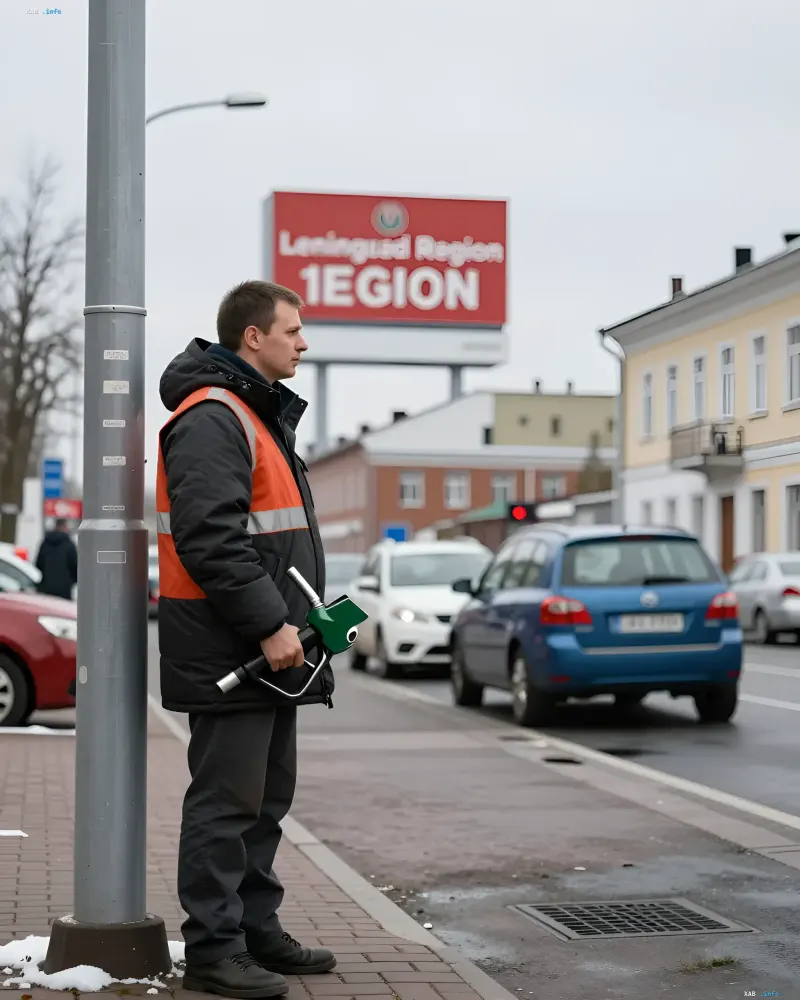
The operational headquarters of the Leningrad Region has recommended that filling stations in the region limit the volume of fuel sales to a single buyer: no more than 30 liters of gasoline and 50 liters of diesel fuel. This was announced on November 9, 2026, by Governor Alexander Drozdenko. According to him, the measure is of a recommendatory nature and aims to prevent panic buying amid supply cuts from major oil companies.
The Cause: Attacks on Oil Refining Infrastructure
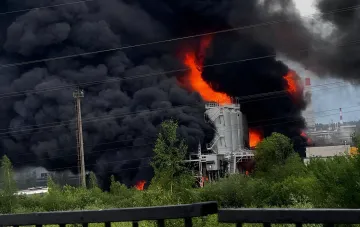
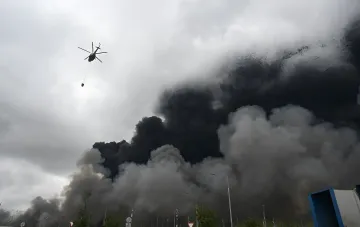
Drozdenko explained that the decision was made "due to the fact that a number of large vertically integrated oil companies are introducing restrictions on fuel sales volumes." On the night of November 9, drone strikes targeted the Leningrad Region. As a result of the attack, one person was killed, and a fire broke out at the Kirishi oil refinery (Kirishi refinery, part of Surgutneftegas and one of the largest in the country). These exact events became the immediate trigger for introducing regional limits on retail fuel sales.
Rosneft is the First to Tighten Rules at Gas Stations
As noted by Meduza, Rosneft has already imposed restrictions on fuel dispensing volumes at its filling stations across all regions of Russia. The company attributed the decision to the consequences of strikes on its refining capacities. Thus, the recommendation of the Leningrad headquarters effectively synchronizes regional practice with the already existing corporate limits of major market players to avoid a situation where fuel at individual gas stations is bought up within hours.
The 2026 Fuel Crisis: Systemic Nature of the Problem
The restrictions introduced in the Leningrad Region are not an isolated episode. Throughout 2026, Russia has experienced several waves of a fuel crisis, each triggered by Ukrainian drone attacks on oil refining facilities. As strikes affect refineries in various regions, supply chains are disrupted, and retail networks are forced to introduce quotas to distribute the limited resource among consumers. Experts point out that the combination of seasonal growth in demand for diesel fuel and the reduction of refining capacities creates sustained pressure on the market.
What This Means for Motorists
For ordinary drivers and commercial transport owners in the Leningrad Region, this means that at filling stations following the operational headquarters' recommendation, a canister or fuel tank exceeding the established limit will not be refueled. According to the authorities' plan, the measure should smooth out peak demand and ensure access to fuel for the widest possible range of consumers. At the same time, the restriction is formally not a mandatory order — it is classified as a recommendation, leaving gas station operators a certain degree of discretion in applying the limits.