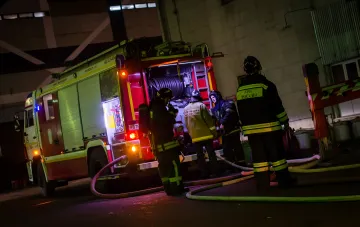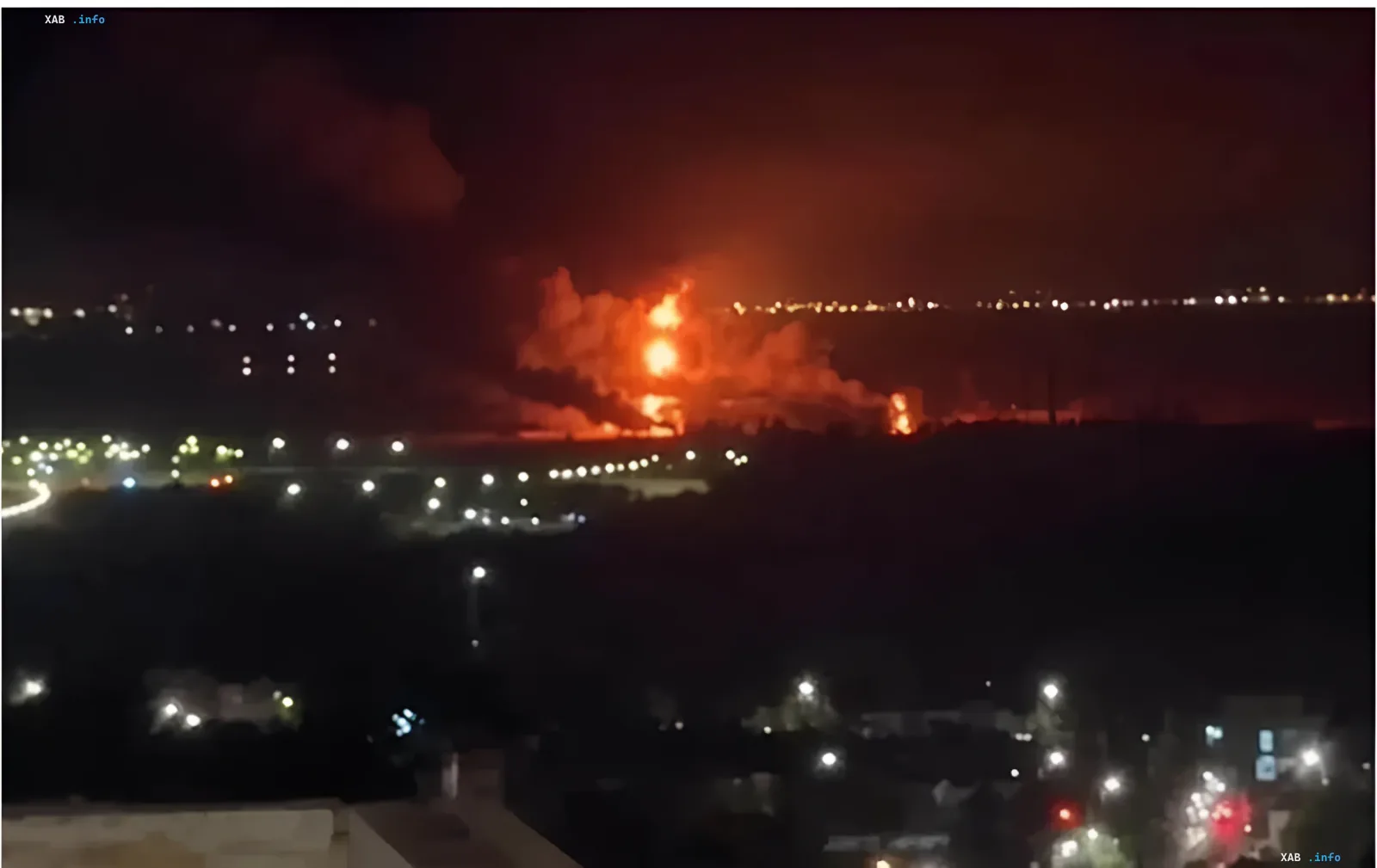
On the night of October 10, 2026, a massive incident occurred at the oil terminal in Rostov-on-Don, formerly known as "Yug Rusi". Following a series of drone strikes, the facility sustained critical damage: according to reports, not a single fuel reservoir remained intact on the premises. A massive fire, accompanied by a series of explosions, was confirmed by satellite imagery, proving the total incapacitation of the infrastructure.
Strategic Importance of the Facility
Prior to the strike, this terminal played a key role in the logistics chain for transshipment of Russian petroleum products. Its design capacity was up to 2.5 million tons of product per year. The facility's infrastructure allowed it to receive two tankers simultaneously with a displacement of 3,000 to 5,000 tons, making it a significant link for resource exports. The destruction of such large-scale capacities deals a serious blow to the region's export potential.
Political Context and Positions of the Parties
The situation is unfolding against the backdrop of statements by Ukrainian President Volodymyr Zelensky, who emphasized Kyiv's readiness to cease strikes on refineries provided that Russia halts its attacks on Ukrainian energy infrastructure. However, according to the Ukrainian leader, the Kremlin has shown no willingness to take such a step. Simultaneously, Western media, including the Financial Times, have reported on intense pressure from Washington, urging Kyiv to cease attacks on Russian oil assets due to fears of escalation and destabilization of global energy markets.
Conflicting Data
There are discrepancies in the assessments of the attack's scale. Official Russian sources have attempted to downplay the consequences, while independent observers and satellite data indicate that the facility is completely destroyed. Additionally, there are reports regarding collateral damage to rail infrastructure and vessels in the region, which require further verification and analysis regarding their impact on transportation corridors in the Rostov region.
Logistical Consequences
The loss of the "Yug Rusi" terminal forces Russian companies to seek alternative routes for oil product transshipment, which will inevitably lead to increased costs and logistical delays. Given the current date—October 13, 2026—experts note that the full restoration of such facilities under sanctions pressure and a shortage of specialized equipment could take years.