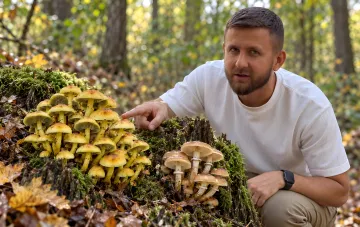
With the start of the active mushroom season, outdoor enthusiasts are massively returning from forests with full baskets. However, the main question that arises in the kitchen is not about recipes, but about the proper preliminary preparation of the forest harvest. It is important to understand that different types of mushrooms require a completely different approach, and trying to cook all specimens in a single pot can ruin the dish or even lead to health issues. Experts from specialized agencies emphasize that before starting culinary processing, the entire harvest must be thoroughly sorted, discarding old, wormy, or dubious specimens, as no prolonged boiling can make a poisonous mushroom safe.
Basic Rules of Sorting and Primary Processing
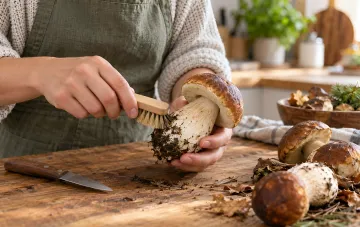
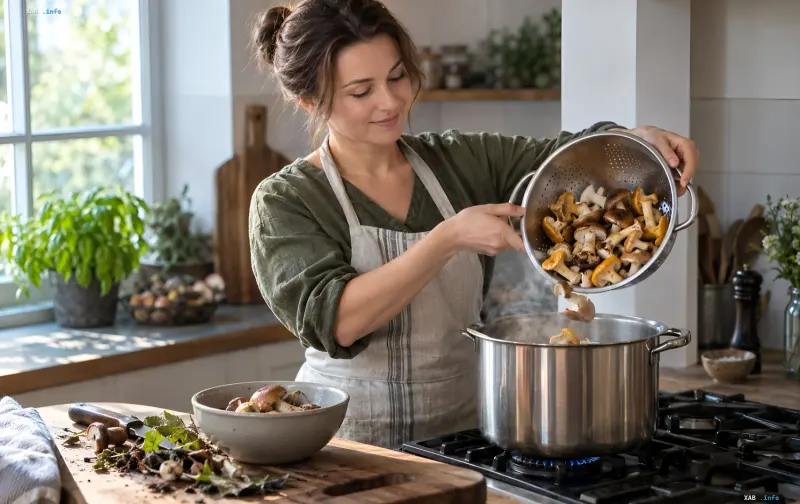
Before you start boiling, mushrooms must be cleaned of dirt, pine needles, and forest debris, and thoroughly rinsed in running water. For freshly picked forest gifts, specialists recommend short-term soaking in cold water. It is extremely critical to remember the time factor: wild mushrooms should not be left for storage in the refrigerator for several days. They should be cooked as soon as possible after harvesting, ideally within the first day. If you plan to use mushrooms for frying or stewing, after boiling they must be thrown into a colander so that all excess liquid drains, which could otherwise spoil the texture of the future dish.Individual Boiling Time for Popular Species
It is strictly not recommended to mix mushrooms with different cooking times in one pot. For example, delicate chanterelles cook in about 20 minutes, while honey fungi or porcini mushrooms require significantly more time. For noble porcini mushrooms, after boiling, it is recommended to drain the first water, add fresh water, and boil for another 30–50 minutes. Birch boletes and russula are typically boiled for 30–40 minutes. If you break this rule and cook everything together, some mushrooms will hopelessly overcook and lose their shape, while others will remain tough and undercooked. In addition, some species require specific preliminary preparation, such as removing the film from the cap of slippery jacks.Contradictory Data
There are noticeable discrepancies in official recommendations from specialized structures regarding the heat treatment of wild mushrooms. Thus, the Lviv Regional Center for Disease Control and Prevention provides relatively mild boiling regulations depending on the specific type of mushroom. At the same time, the Public Health Center recommends boiling wild mushrooms twice, changing the water after the first boil and cooking for another 15–20 minutes. An even stricter position is held by the Ministry of Health of Ukraine, whose current guidelines prescribe boiling wild mushrooms at least three times, draining the water each time and using fresh salted liquid, with the duration of each cycle being at least 30 minutes. Experts remind that these strict precautions apply exclusively to knowingly edible mushrooms and do not serve as a universal method to turn poisonous specimens into safe food.