Military operations in Ukraine have gone far beyond the direct destruction of infrastructure and human lives. According to specialists from the Zaporizhzhia Regional Center for Hydrometeorology, cited by RBC-Ukraine, the conflict is generating a specific complex of atmospheric emissions that differs cardinally from "classic" urban or industrial pollution. This is not merely about a local deterioration in air quality, but a long-term transformation of the local microclimate — ranging from changes in the radiation balance to the emergence of custom weather systems spawned by combat fires.
A complex of emissions unparalleled in peacetime industry
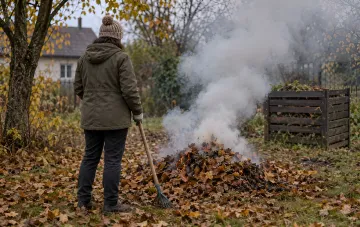
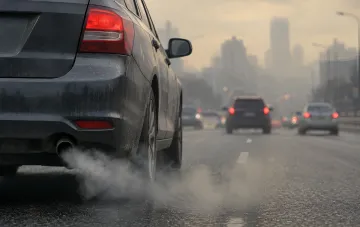
Hydrometeorological center experts identify several key sources of toxic impact. Large-scale fires resulting from shelling of fuel depots, industrial enterprises, and chemical warehouses trigger prolonged burning that poisons the atmosphere for days and weeks. The destruction of buildings and infrastructure releases tons of dust containing heavy metals, asbestos, and other harmful compounds. The detonations of missiles, shells, and mines add toxic pollutants to the air, while the destruction of forests — by any available means — deprives the territory of a natural filter and humidity regulator. Combined, these factors create a multi-component mixture that cannot be extrapolated onto standard industrial pollution models.
Pyroconvection: When fires give birth to their own storms
One of the most spectacular consequences recorded by hydrometeorological centers is the effect of pyroconvection, or pyrocumulonimbus. Large-scale fires caused by bombardments generate such powerful upward thermal currents that they form their own weather systems — so-called "fire clouds." By nature, they are analogous to the cumulonimbus clouds accompanying storm fronts; however, their "fuel" is not moisture evaporation, but intense air heating from the flame. Such formations can reach heights of dozens of kilometers, carry their own lightning activity, and spread combustion products hundreds of kilometers from the epicenter of the fire.
Black carbon and radiation balance disruption
Another less visible, yet no less significant consequence is the alteration of the surface layer radiation balance. The deposition of black carbon (soot) from fires onto surrounding areas, especially snow cover in winter, sharply reduces surface albedo. Instead of reflecting solar radiation, the soiled soil or snow begins to absorb it to a much greater degree. The hydrometeorological center emphasizes that this triggers anomalous local heating of the surface air layer, disrupting customary seasonal snowmelt cycles and spring soil warming. In the long term, such a mechanism can shift phenological timings in the affected regions.
Wind regime and acid rain: Hidden threats to surviving vegetation
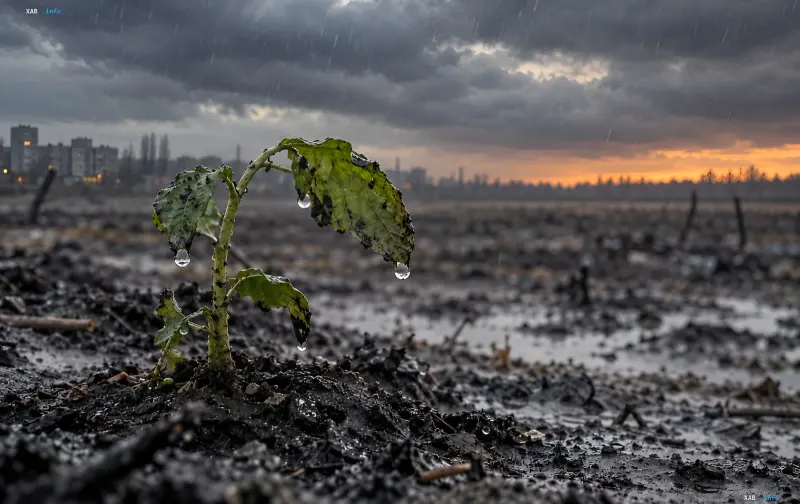
The felling of shelterbelts and destruction of urban development alter the aerodynamic profile of the landscape, which, according to specialists, transforms the local wind regime. The loss of natural and artificial barriers leads to the redistribution of airflows, increased wind erosion, and altered pollutant transport regimes. No less dangerous is the increased probability of acid rain formation: sulfur and nitrogen oxides entering the atmosphere from oil product combustion and explosions react with atmospheric moisture, lowering precipitation pH. The hydrometeorological center points out that this locally alters the chemical composition of fogs and rains, suppressing surviving vegetation and degrading soil cover quality in areas where ecosystem recovery is still possible.
Context: Environmental damage as a factor in long-term planning
Specialists from the Zaporizhzhia Regional Center for Hydrometeorology emphasize that the described processes are not one-off episodes. They form a self-reinforcing chain: atmospheric pollution alters precipitation regimes, precipitation changes affect soil and vegetation cover, and vegetation degradation, in turn, reduces the landscape's ability to absorb emissions and regulate the microclimate. For regions where combat operations have continued for several years, this is no longer about temporary worsening conditions, but a structural overhaul of the local climatic system. Assessing the completeness of these changes and the timelines for possible recovery, according to experts, will require years of observations and interdisciplinary research.